
Liz Brenner, LICSW, facilitates this couples therapy training with monthly guest presenters. Learn about doing couples therapy in a fun, connected, accessible format offering deep learning and connection.
Days: The first Wednesday evening per month from November 2024 to May 2025, except January which is the second Wednesday
Time: 6:45pm to 9:35pm Eastern Time convert to your time Zone here
Location: Live on Zoom. Participants attend in real time.
Overview of Master Series in Couples Therapy Training:
- Didactic presentation about an aspect of couples therapy
- Role play demonstration of skills taught
- Small group discussion among participants
- Questions and reflections on lessons learned
- November 6, 2024, Liz Brenner: Holding a Couple Therapy Session: A Systemic Road Map
- December 4, 2024, Carmen Knudson-Martin: Relational Justice in Couple Therapy: An Introduction to Socio-Emotional Relationship Therapy
- January 8, 2025, Premela Deck: Deciding to Separate: Helping Couples with Children Facilitate a Good Divorce
- February 5, 2025, Judith Landau : Engaging a Reluctant Partner in Couples Therapy: ARISE Comprehensive Care with Invitational Intervention
- March 5, 2025, Jacqueline Hudak: Extended Parenting and the Impact on Couples
- April 2, 2025 Miranda Croteau: Sex Therapy Skills for Couple Therapists
- May 7, 2025, Laurel Salmon: Diffusing High Conflict Couples
Please note: a minimum of two hours of this course will focus on anti- racist and two hours on anti-discriminatory practices.


Liz Brenner
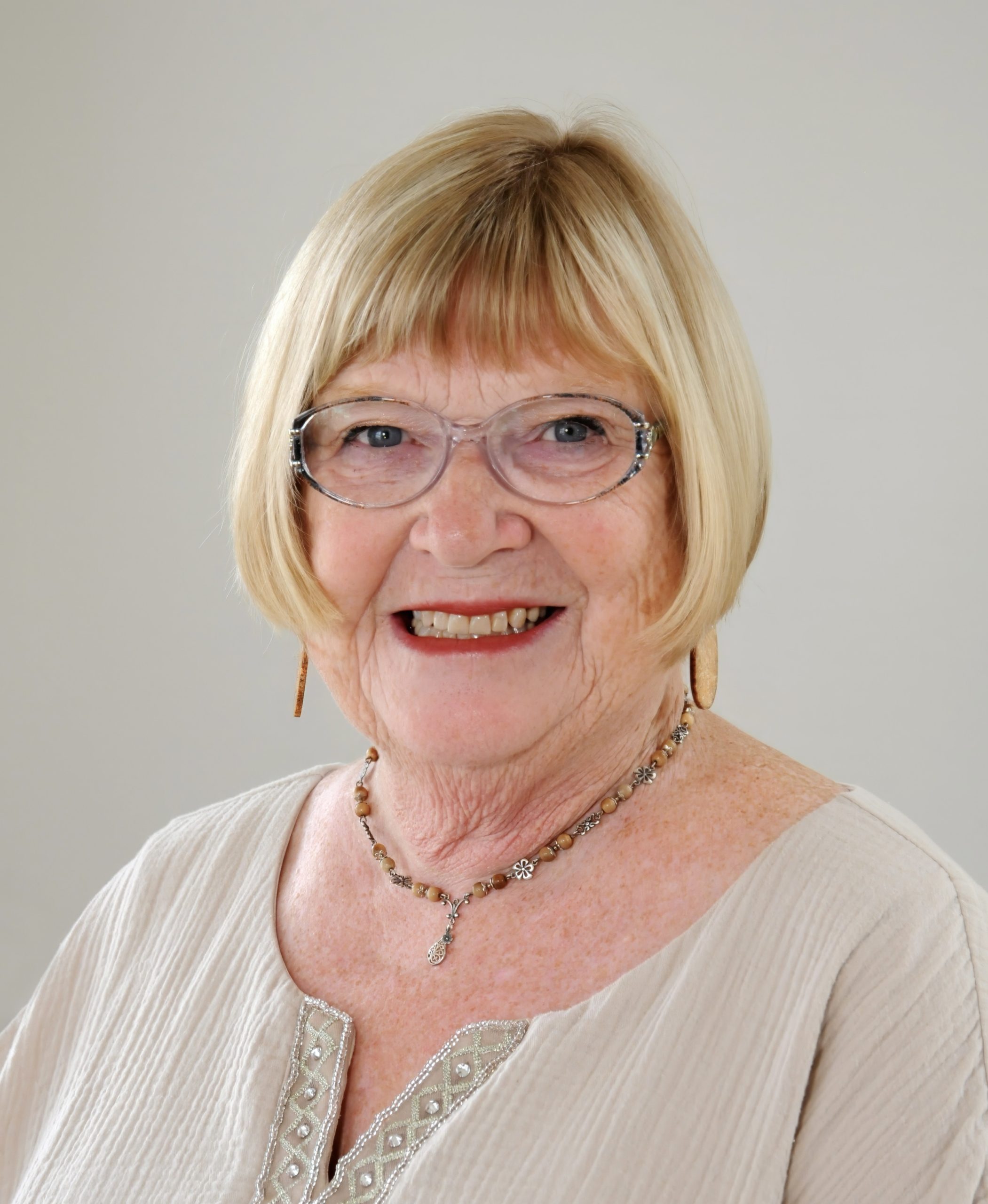
Carmen Knudson-Martin

Premela Deck

Judith Landau

Jacqueline Hudak
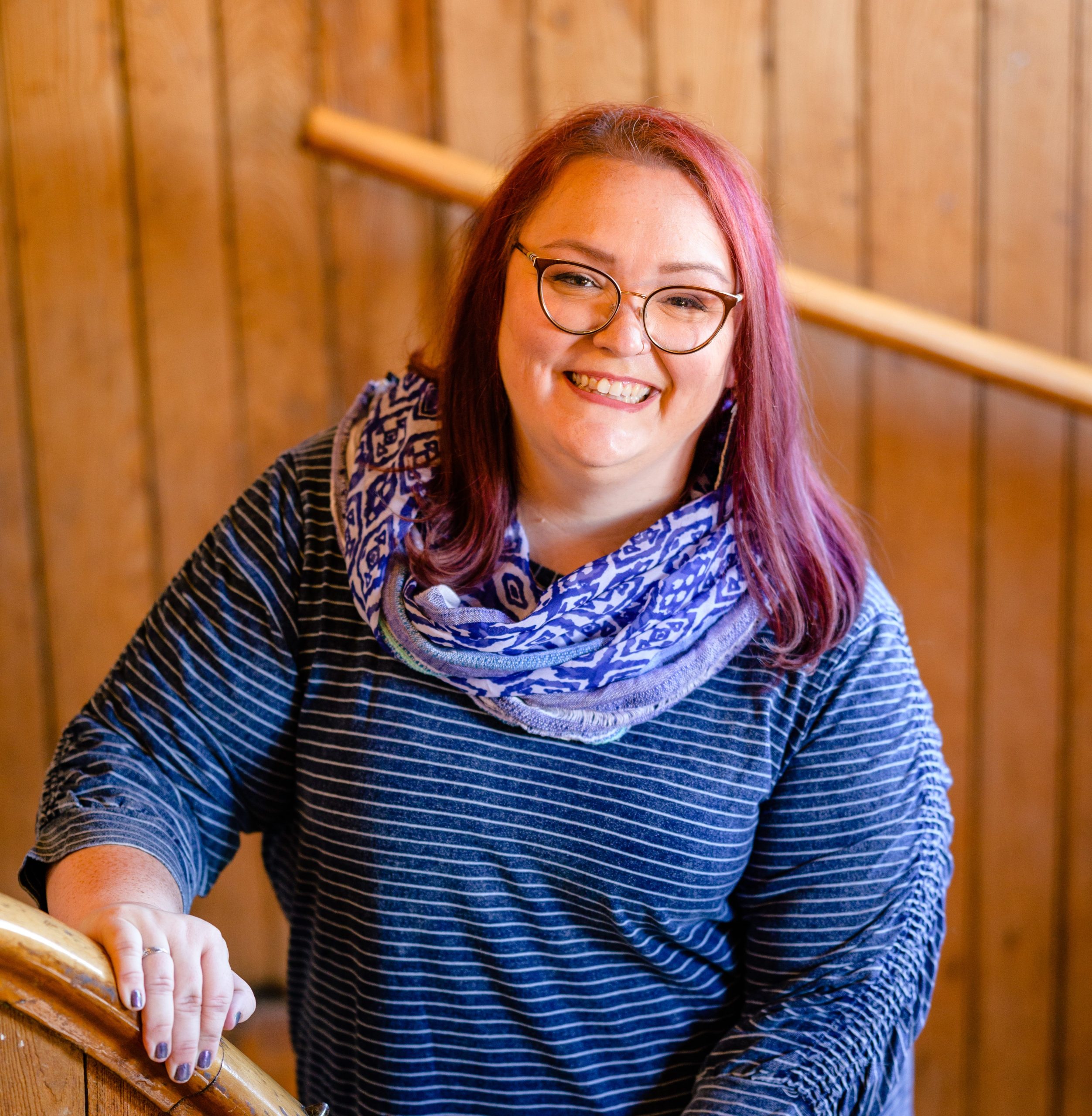
Miranda Croteau

Laurel Salmon
Outline for Each Meeting of the Course ~ 6:45 pm to 9:35 pm, Boston time
Break Out Discussion- 6:45 to 7 pm. Participants meet in groups of three for 15 minutes to discuss a question/topic/clinical dilemma related to the evening’s presentation.
Speaker Introduction-7 to 7:05 pm
Guest presenter will talk about critical ideas and practices that they use in working with couples – 7:05 pm to 7:45 pm (40 min)
Break: 7:45 to 8 pm
Guest presenter will do a live demonstration of couple therapy with a role play couple showing how they practice the ideas they presented – 8 pm to 8:40 pm (40 min)
Debrief the role players’ experience of the interview, asking about their experience in their role, to name what the presenter did in the session to help them shift. She will identify key interventions that were demonstrated. -8:40 to 8:55 pm (15 min)
Participants break out in small groups to discuss what they learned and questions they have about the role play demonstration- 8:55 to 9:10 pm (15 min)
Facilitated discussion about what participants are learning and questions they have for the speaker. – 9:10 pm to 9:35 pm (25 min)
Learning Objectives for the Couples Therapy Course
- Describe two interviewing skills learned in each evening of the couples therapy training.
- Compare interviewing skills demonstrated by senior couples therapists and discern when to use what approaches.
- Detail four techniques for preventing or working with conflict.
- Explain three different approaches for increasing connection and empathy in couples.
- Identify two similarities among the approaches to couples therapy presented in the course.
- Name two differences among the approaches to couples therapy presented in the course.
- List two concepts related to working with each of these: a systemic road map to each couple therapy session, using the SERT model to enhance relational justice, helping couples with children divorce well, working with a reluctant partner in couples therapy, helping couples in extended parenting situations, sex therapy skills, diffusing high conflict.
Description of Each Class & Instructors in the Couples Therapy Training: click on the plus sign for details
November 6, 2024 with Liz Brenner, LICSW
Description
To facilitate effective, connected couple therapy sessions, clinicians needs to have a sense of purpose and many ways to enact their role moment to moment. The tension of being in the middle of two people who often show up with passionate differences and desires requires the capacity to be reflective, multipartial and on the side of a equitable relationship. Typically, couple members have devolved to being on opposing sides. Liz will describe then demonstrate a map to hold all couple sessions. This transtheoretical systemic phase model includes joining, problem definition, systemic assessment, redefining the problem, feedback, and contracting. Once learned, the phases can be used as a seat belt, helping clinicians to provide a safe and reflective space in which couple members can define and meet their own goals. Looking at stuck couples from the perspective of this phase model can help the clinician decide how to intervene to move things forward as the treatment waxes and wanes.
 Liz Brenner, LICSW, has over 30 years of experience doing family, couple and individual therapy in child psychiatric inpatient, residential, home-based and private practice settings. She was on the faculty of the Family Institute of Cambridge from 2003 until 2009 when it closed. Liz is currently the co-director of the Harvard Couple Conference and a teaching associate for Harvard Medical School providing family therapy training to staff at Cambridge Health Alliance as a member of the Couple and Family Therapy Program. In 2017, Liz was the appreciative recipient of the award for the Greatest Contribution to Social Work Practice from the Massachusetts Chapter of the National Association of Social Workers.
She has written two articles on doing intensive home-based family therapy. She published a short article in the New England Journal for Relational and Systemic Therapy called Couple Therapy in the Absence of Presence: Translating Presence to the Screen. Recently she published an article in the Family Process Journal with colleagues Richard Schwartz and Carol Becker. The Development of the Internal Family Systems Model: Honoring Contributions from Family Systems Therapies
Learning Objectives
Attendees will learn to:
- Define each of the six phases of a model to hold couple therapy sessions.
- Explain how the use of this model can help discern what to do moment to moment in couple therapy sessions.
- Discuss how to use the six phase model to help move stuck treatment forward.
December 4, 2024 with Carmen Knudson-Martin, PhD, LMFT
Description
Carmen Knudsen-Martin will introduce Socio-Emotional Relationship Therapy (SERT), a socially responsible clinical approach that links the deeply personal concerns that bring people to therapy with larger sociopolitical contexts. Participants will learn how to connect the dots between what happens in the wider society, interpersonal neurobiology, relational processes, and client well-being. The presentation will illustrate the three phases of the SERT clinical sequence: (1) position therapy toward relationality, equity, and mutual support, (2) create relational safety by interrupting the flow of power, and (3) embody relational practices that transform destructive power imbalances and create relational possibilities based on equity and mutual support. Using role play with participants and follow-up discussion, participants will apply the SERT model to a couple therapy case. Discussion will clarify practical strategies to enable participants to incorporate issues about gender, culture, power, and intersectionality into their work with couples.
 Carmen Knudson-Martin, PhD, LMFT, is professor emerita of Marital, Couple, and Family Therapy Program at Lewis & Clark College, Portland OR, USA. She has published over 100 articles and book chapters on the influence of the larger sociocultural context in couple and family relationships and the political and ethical implications of therapist actions on marital equality, relational development, and couple therapy. She is a developer of Socio-Emotional Relationship Therapy, which addresses the micro-processes by which societal power processes play out in couple relationships. Carmen is editor/author of five related books, including A Step-by-Step Guide to Socio-Emotional Relationship Therapy; Couples, Gender, and Power–Creating Change in Intimate Relationships; and Socioculturally Attuned Family Therapy: Guidelines for Equitable Theory and Practice. She was the 2017 recipient of the Distinguished Contribution to Family Therapy Theory and Practice award from the American Academy of Family Therapy.
Learning Objectives
Attendees will learn to:
- Describe and identify how emotion connects the personal with the sociopolitical.
- Apply the three phases of the Socio-Emotional Relationship Therapy clinical sequence.
- Demonstrate clinical strategies to address gender, culture, power, and intersectionality in relational therapy.
Description
Fifty percent of all marriages end in divorce. Therefore, many couple therapists will end up working with clients who decide to separate and will be exposed to the family law system. Sometimes couples decide to separate during couple therapy. Occasionally couples initiate treatment with the intention of learning how to divorce well in the interest of their children and themselves. Short term work with these couples can help them prevent significant emotional, financial, and family problems in this developmental phase of family life. Helping parents understand and decide how to manage the psychological and practical terrain of creating a family in a new form is a significant intervention couple therapists can provide. Premela will introduce basic divorce concepts and the divorce process in Massachusetts. By understanding these concepts, clinicians can support their clients in identifying the right helping professionals, creating effective co-parenting strategies, and generating helpful family plans and narratives for the family and children around divorce.
 Premela Deck, LICSW, JD, PhD is a forensic social worker, family law attorney, educator, and researcher. She runs a group forensic mental health practice in Canton, MA and Woburn, MA. Premela and her team employ several interventions for court-involved families, including parent coordination, family and individual therapy, Guardian ad Litem reports/custody evaluations, consulting, and support groups for court-involved individuals. As of summer 2023, Dr. Deck is the Director of the High Conflict Parenting Education Program at William James College which is offered to parents currently involved in litigation. She is also an instructor in the Parent Coordination Course offered at William James College which is directed to professionals in family law. Premela’s work is informed by her experience as a litigator, researcher, and clinician. Premela serves on the board of directors for the Massachusetts chapter of AFCC.
Learning Objectives
- Describe the basic steps of the divorce process in Massachusetts
- Define beneficial ways to create new narratives for the family and the children
- Identify ways to support clients in effective co-parenting communication
- Create plans for introducing new partners, and resolving conflict
Description
The family therapy field is approaching 75 years and a variety of models have emerged. With new generations of couples and family therapists, the field now recognizes our roots and commonalities. Current generations are trained in multiple orientations and shared theoretical ideas. This era is marked by the development of integrative models of family therapy, the first of which was Transitional Family Therapy (TFT) and includes the perspectives of the here and now, transgenerational, and ecosystemic perspectives. TFT focuses on healing the individual and the family not just in the moment, but for the future and future generations.
The couple is the integral unit of the family, and the family is the integral unit of resilience and survival especially in times of trauma and stress when people are most at risk for first episode and/relapse of physical and behavioral health problems. e.g., PTSD, serious physical and mental illness, substance use disorder and other behavioral compulsions. One of the challenges of couples therapy is engaging and maintaining the more reluctant partner. Frequently the request for therapy comes from one member of the couple and the other, sometimes defined as the Person of Concern is understandably reluctant to participate. ARISE Comprehensive Care with Invitational Intervention is one of the TFT Evidence-Based protocols and focuses on engaging and retaining reluctant participants in therapy/treatment.
This training will attempt to change our perspective from pathology to health, hope, and resilience by demonstrating the importance of shifting the focus away from the conflict and problems towards strengths, collaboration, support and healing of the couple. The collaborative approach ensures not only engagement, but also prevention, treatment, aftercare and long-term healing of couple and family. Empowering both members of a couple and redefining the role of the “person of concern” as a productive and helpful member of the process allows them to draw upon their own intergenerational resilience towards achieving change and sustaining long-term recovery
 Judith L. Landau, MD, DPM, LMFT, CFLE, CIP, CAI, CRS, Founder and President of Linking Human Systems, LLC, LINC Foundation, and ARISE Network, and Co-Founder of the International Recovery Institute, is a child, family, and community neuropsychiatrist. Chair of the Division of Marriage and Family Therapy and former professor of psychiatry and family medicine at the University of Rochester, she has devoted her career to developing Evidence-Based, Best Practice collaborative family and community resilience models. Based on her relational resilience research, Dr. Landau with University of Rochester faculty, developed the Evidence-Based, Best-Practice Transitional Family Therapy (TFT). This was the first integrative model of family therapy. Based on TFT, they developed protocols at individual, family, and community level.
Author and co-author of over 200 peer-reviewed publications and books, she has taught in more than 90 countries, and trained several thousand therapists, interventionists and trainers. Her ground-breaking book, AIDS, Health and Mental Health, won the international Choice Library award. Dr. Landau has consulted to and been principal investigator on research conducted through WHO, NIDA, NIAAA, SAMHSA, CDC & P and EAR. Dr. Landau has consulted to the UN and WHO (most recently to the Public Health section about communities dealing with the COVID-19 pandemic).
Aside from all this, Judith is an “Isangoma” or traditional African healer and a member of 4 Winds Indigenous Healers, an organization committed to bridging traditional wisdom and western science. And, if you haven’t seen it yet, do watch her TEDX talk, Family Stories, Secrets and Survival about family resilience, trauma, addiction, and mental health.
Learning Objectives
- Be able to shift the focus from the problem towards developing solutions.
- Learn to help both members of the couple view themselves as competent and having the resilience and potential to heal
- Help the couple see themselves and their situation in the larger perspective of the family
Description
The developmental task of launching for both parents and young adults has been a fairly stable part of the family systems literature citing differentiation from the prior generations viewed as crucial for healthy adult functioning. Yet terms such as “emerging adulthood” and “failure to launch” have become part of our cultural discourses. Data on the mental health of young adults, particularly post covid, is alarming. As more young adults return home to live with parents or fail to leave home, relational dynamics can become fraught with tension. Is there a “new normal” for young adulthood, when did that change, and how does it impact the couple?
A clinical map for working with couples with adult children will be the focus of this evening. We will examine the current cultural landscape of young adulthood, employ recent data, and consider the impact on relational dynamics in the family – with a particular focus on the parents. Loyalty binds, shame, multigenerational patterns, guilt, and blame will be addressed. Couple dynamics will be highlighted as we define ways to help the couple move toward clarity and understanding: both of themselves and their young adult family.
 Jacqueline Hudak PhD LMFT
Jacqueline Hudak, Ph.D., is a licensed Couple & Family Therapist (PA & NJ), and a Clinical Assistant Professor of Psychiatry at The University of Pennsylvania. Dr. Hudak has been working with individuals, couples, families and groups for over thirty-five years. She is a consultant, clinical supervisor, family therapy educator and published author. Dr. Hudak maintains an active blog, in efforts to bring research about the family into public discourses, as well as the clinical setting. She is an engaging and popular speaker with both professional and lay audiences.
Dr. Hudak works with a variety of general family issues, but is recognized for her clinical expertise in several areas: the social location of the family, and attendant issues of ethnicity, culture, gender, race, and class;
family life cycle transitions, family systems treatment of addiction; LGBTQ couples & families, and identity transitions.
Dr. Hudak is the 2020 recipient of The Dean’s Award for Excellence in Teaching by an Allied Health Professional, Perelman School of Medicine, and the Albert Stunkard Faculty Recognition Award from the Department of Psychiatry at The University of Pennsylvania.
Learning Objectives
- Identify generational themes that surface in this population`
- Become familiar with the most recent data on young adulthood
- Consider the use of language such as “failure to launch”
- Describe common couple issues when a young adult is struggling, and apply coaching techniques to shift dynamics
Description
Therapists seldom, if ever, receive sex therapy training as part of our education. Yet many of the couples we work with have a sexual relationship. In addition, we see couples whose sexual relationship is lacking and are unhappy in that realm. Our openness and ease in addressing sex impacts how safe a couple may feel disclosing information that is vital to the underlying process impacting their relationship. Miranda will introduce ways to explore sexuality within the couple therapy. She will help us build a toolbox of sex therapy techniques that can benefit all couples. We will explore the impact mismatched desire has on couples as well as how the relationship between love and desire may be affecting patterns of communication. We’ll also explore how family therapy models including Bowen Family Therapy can be used to examine the role of differentiation and enmeshment as it relates to desire. Participants will use the same framework employed at the onset of sex therapy training to identify their level of comfort guiding couples in exploring the role of sex in their relationship. Miranda will describe a variety of ways to introduce the topic of sex that aligns with multiple therapeutic styles..

Miranda Croteau is a Licensed Marriage and Family Therapist in Connecticut and Massachusetts and a AASECT Certified Sex Therapist. She received her Master’s degree from the University of Saint Joseph in West Hartford, CT where she later became adjunct faculty teaching both the Counseling Families and Sex Therapy course for the MFT and Clinical Mental Health Counseling departments until moving to Massachusetts in 2022. Miranda is also a graduate of the Institute for Sexuality Education and Enlightenment where she completed all educational requirements for her AASECT certification. Miranda is currently a supervisor in training with AASECT. Miranda sees clients in her private practice, Witch City Couples Therapy, virtually and in her office in Salem, MA. She specializes in working with clients in the queer, kink, and polyamorous/CNM communities. Miranda is the Executive Director of the New England Association for Family and Systemic Therapy.
Learning Objectives
Attendees will learn to:
- Identify three ways in which domesticity and closeness impact desire.
- Define responsive and spontaneous desire and identify the differences between them.
- Describe three tools to assess the impact of sex on the couple relationship
May 7, 2025 with Laurel Salmon, LMFT
Description
Couples therapy is challenging primarily because the differences between partners show up in entrenched ways that can be ingrained and hard to shift. Often the clinician is stuck in the middle of two people who want us to take their side. Instead, we need to help them change the problematic dance they each contribute to. Most challenging is when couples show up with emotions running high. This makes it hard to create a safe container to hold the work. The emotional pressure they exhibit is often accompanied by couples’ tendencies to repeat their “ritual impasse fight”. It takes persistence and clarity to shift the focus from the fight to something new and productive. We will explore common maladaptive interpersonal patterns in high conflict couples, common causes of these patterns, and provide strategies for diffusing tense conversation in session.
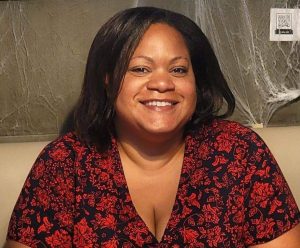 Laurel Salmon Executive Officer of Community Awareness Network for Drug-free Life and Environment (CANDLE). CANDLE is a non-profit agency established in 1982 with the mission of preventing alcohol and substance abuse by children and adolescents. Through short-term and group counseling, specialized support for LGBTQ+ youth, substance abuse awareness campaigns, and school-based social-emotional learning programs, CANDLE aims to minimize the factors that lead to substance abuse and misuse. Under Laurel’s tenure as CEO, CANDLE has expanded LGBTQ+ services in the county, expanded school based counseling services and opened the only children’s mental health clinic in Rockland County that provides all clinic services to any member of an enrolled child’s family.
Learning Objectives
- Attendees will learn and be able to identify characteristics of high conflict couples including how to assess high conflict couples for undisclosed domestic violence.
- Attendees will learn common causes for the maladaptive cycles that high conflict couples find themselves in.
- Attendees will learn strategies for de-escalating and diffusing interactions between high conflict couple
Target Audience
This couples therapy training is designed for helping professionals interested in the principles and practices of couples therapy, including, but not limited to social workers, mental health counselors, and marriage & family therapists. The program serves the needs of beginning and intermediate couples therapists with little to a moderate amount of formal couples therapy training. We also support couples therapists and other practitioners who take the course to deepen their knowledge, enhancing capacities for supervision, teaching, training, and administrative roles. Individual clinicians who work with relational issues will also benefit from the course.
Cost
- Registration: The cost for individual registration $775. Early registration available until for individuals is $750.
- September 14, 2024 is the early registration deadline. Payment plans are available.
- CEUs: additional cost of $40 for CEUs for the professions who are eligible and people who would like to access those. CEU information below.
- Black Therapists Rock, National Assn. of Black Counselors, NEAFAST Members and anyone else may contact us for an equity rate of $700
- Please note: you must register for the course as a whole to maintain the integrity of the learning group. Contact us for more information.
Testimonials from Past Participants
“It has been such a pleasure to be a part of the Master Series couples therapy training. The presentations have been outstanding and invigorating. And even on Zoom, the role plays have been helpful in demonstrating theory while also conveying the emotional power of the work. I have also appreciated getting to know the members of the group. Thank you for an excellent year.”
Ellen Safier, LCSW, Adjunct Faculty at Center for Psychoanalytic Studies, Houston, TX
“I want to echo others’ in extending my gratitude and appreciation for such a wonderful couples therapy training this year! I have to say it was one of the best Zoom classroom experiences I’ve had, and I credit your skillful design—the blending of large and small group experiences as well as an outstanding lineup of guest teachers and courageous role-players.”
Anonymous Participant
“Thank you for creating this invaluable learning space for the intimacy of couples therapy training. And to my colleagues and fellow participants—it was lovely to learn with and from you.”
Joanna M. Poole, MA, LMHC, private practice
“Thank you for another great year of this unique and wonderful couples therapy training. Each class this year has been outstanding. Have also really enjoyed sticking with the same small group for each class. A small change, but it made a big difference.”
Heidi Krueger, LICSW, retired
“It was fun! Great 2021-22 series! Can’t wait to see the topics and the speakers for next couples therapy training series is bringing to us.”
Chuck Weinstein, LMHC, CPRP, CPS, private practice
Additional Information
Participants MUST attend 100% of the program to earn the 18 CEUs approved for eligible professions.
- Therapy Training Boston is approved by NBCC as an Approved Continuing Education Provider, ACEP No. 6707 for Mental Health Counselors. Programs that do not qualify for NBCC credit are clearly identified. Therapy Training Boston is solely responsible for all aspects of the programs. LEARN MORE ABOUT OUR CEUs FOR MENTAL HEALTH COUNSELORS
- Application for 18 work continuing education credits has been submitted to. Please contact us for the status of social work accreditation. LEARN MORE ABOUT OUR CEUs FOR SOCIAL WORKERS
- This program is submitted for approval by the New England Association for Family and Systemic Therapy, Inc. for professional continuing education on behalf of the Massachusetts Board of Registration of Allied Mental Health & Human Services Professions for 18 LMFT professional continuing education units. LEARN MORE ABOUT OUR CEUs FOR MARRIAGE AND FAMILY THERAPISTS
- Read detailed information about CEUs.
No refunds are available for cancellations by participants regardless of the reason or time frame. If participants cancel 30 days or more prior to the event beginning, they may apply the fee to a future program. Workshops may be cancelled by Therapy Training Boston if minimum enrollment requirements are not met or in the case of other unexpected circumstances. If this occurs, a full refund will be provided.
This course will provide important information for clinicians who are at an introductory or intermediate level of knowledge about working with couples. Advanced practitioners are welcome to attend to deepen their knowledge of the subject for practice, supervision, teaching, and administrative roles.
Target Audience: This offering is relevant to all helping professionals including but not limited to social workers, mental health counselors, psychologists, marriage & family therapists.
Commercial support and conflicts of interest: There is no commercial support for this program.