
Date: December 6, 2024
Times: 10am-5:30pm Eastern (Find the time for your location)
Instructor: Patricia Papernow, EdD
Location: Live on Zoom (synchronous). This workshop will not be recorded.
Credits: 6 CEUs

Meeting the Big Challenges of “Blended” Families: What Works and What Doesn’t in Stepfamily Structures
“Blended families” come together with big hopes and fervent wishes for a loving new family. However, the realities of blended family or stepfamily living can create constant painful ruptures–within the couple, between stepparents and stepchildren (of all ages), between parents and their children, and between ex-spouses or ex-partners. The longing captured in the language of “blended families” all too often adds layers of shame to dashed hopes. Rather than a quick, simple swirl in the blender, adding new members to blended families or stepfamilies requires a careful stir.
For both therapists, blended family or stepfamily members, the intensity and complexity can be daunting. Trying to navigate this territory with a first-time family map is not only misleading but sometimes even destructive. The good news is that we do have solid, practical, evidence-based guidance about what works, and what doesn’t, to help stepfamily members meet their challenges.
This workshop will help you recognize the five major challenges stepfamily structure creates. Whether you work with couples or families, with individual adults or with kids, the workshop will give you a framework for meeting these challenges that integrates over 4 decades of research and clinical experience with a wide variety of therapeutic modalities on three levels: Psychoeducational, interpersonal, and intrapsychic/family-of-origin. You’ll learn to avoid some “easy wrong turns” for mental health professionals and stepfamily members. You’ll leave with a full box of tools for sowing realistic hope, softening conflict and forging connection, as well as a boat load of great handouts.
Patricia will weave key concepts from the Internal Family Systems Model into her teaching. Patricia will describe IFS concepts to teach about interpersonal and intrapsychic levels of work. Her introduction of the IFS model includes concepts about Self, exiles, managers and protectors. She will use IFS concepts to describe how the 5 challenges related to “blending” families play out within parts of people and between stepfamily members. The webinar focuses on leading from Self in doing psychoeducation, a form of direct access from an IFS lens. A minimum of three hours of the workshop will be relevant to IFS concepts and methods.
Statement of Need: When two people, at least one of whom already has children, fall in love they are often unaware of the tricky road ahead transitioning to a new family form. Our culture leans into an idyllic model like “The Brady Bunch” that assumes a “blended” family comes easily when often connections in shifting relationships and are tested and stressed. A significant number of families live in this family configuration. Addressing their needs in nuanced ways prevents difficulties and helps blended families and stepfamilies successfully transition to wellness when unexpected challenges occur. Each developmental transition in family life can provide hurdles that when addressed add richness to everyone’s lives.
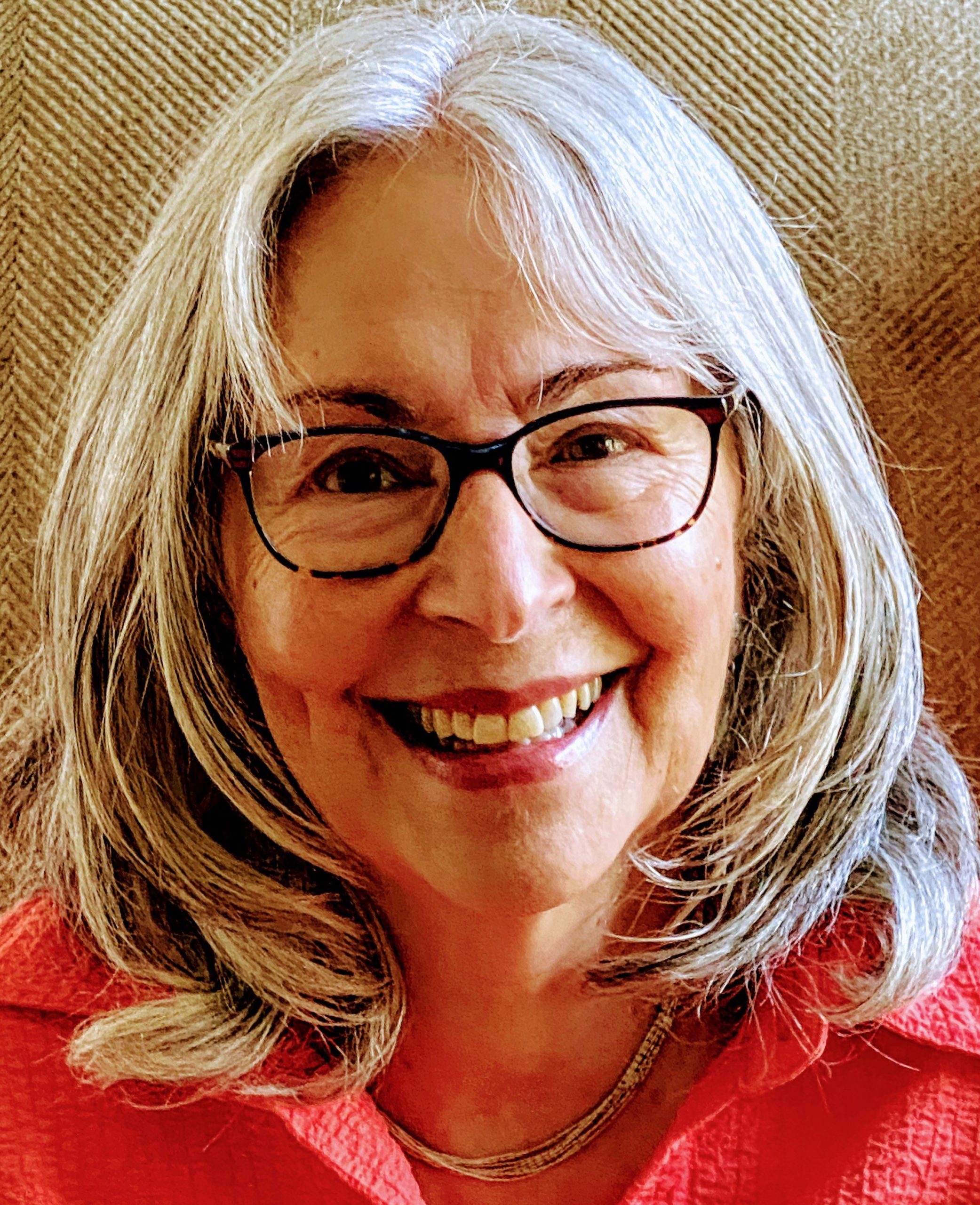
Dr. Patricia Papernow
Patricia Papernow, EdD, is an internationally recognized expert on “blended families.” Her work integrates a wide variety of theoretical models and is informed by over four decades of clinical practice combined with a deep understanding of current research. Dr. Papernow has authored dozens of articles and book chapters on “blended families” as well as the leading books in the field: Surviving and Thriving in Stepfamily Relationships: What Works and What Doesn’t, and, with Karen Bonnell, The Stepfamily Handbook: From Dating to Getting Serious to Forming a “Blended Family.” She is the recipient of the Award for Distinguished Contribution to Family Psychology from the American Psychological Association and the Award for Distinguished Contribution to Family Therapy Practice and Theory from the American Family Therapy Academy. Dr. Papernow is a psychologist in Hudson, MA.
Schedule:
- Zoom link arrives at 9:30 am EST
- Begins: 10:00 am
- Break 11:30 am-11:45 am
- Learning: 11:45 am-1:15 pm
- Break: 1:15pm-2:15 pm
- Learning: 2:15 pm-3:45 pm
- Break: 3:45 pm-4:00 pm
- Learning: 4:00 pm-5:30 pm
Learning Objectives
1. Describe three key differences between first-time families and stepfamilies.
2. Describe two of the major challenges for “blended” families.
3. Describe a three-level model for clinical work with this family configuration.
4. List two common “easy wrong turns” that clinicians (and families) make in response to stepfamily challenges.
5. List two evidence-informed “practices that work” to meet “blended” family challenges.
Target Audience
This learning event is designed for helping professionals including, but not limited to, social workers, mental health counselors, and marriage & family therapists. People who attend from professions other than those for whom we are approved for CEUs may check their local Board of License Registration to see if these CEUs will apply.
Cost
- Individual Registration: Regular Rate—$145; Early Bird Rate:: $125
- Early Registration Deadline: October 26, 2024
- NEAFAST Member Rate: $120
- Black Therapists Rock, National Association of Black Counselors and all BIPOC clinicians may access an equity rate of $100.
- Please contact us for discount codes. No application is required.
- 6 CEUs will be available at an additional cost of $20 paid upon registration for social workers, mental health counselors, marriage & family therapists and anyone else who determines their board will accept our CEUs.
Location
Live on Zoom (synchronous)
Additional Information
Participants MUST attend 100% of the program to earn the 12 CEUs approved for eligible professions.
CEU certificates will be downloadable within three days of each event after participants complete the workshop or course and fill out the online evaluation.
- Therapy Training Boston is approved by NBCC as an Approved Continuing Education Provider, ACEP No. 6707 for Mental Health Counselors. Programs that do not qualify for NBCC credit are clearly identified. Therapy Training Boston is solely responsible for all aspects of the programs.
 LEARN MORE ABOUT OUR CEUs FOR MENTAL HEALTH COUNSELORS
 - This activity has been certified by the New England Association for Family and Systemic Therapy, Inc., on behalf of the Massachusetts Board of Registration of Allied Mental Health & Human Services Professions for 6 LMFT professional continuing education units. PC- 042457. LEARN MORE ABOUT OUR CEUs FOR MARRIAGE AND FAMILY THERAPISTS
- his program has been approved for 6 Social Work Continuing Education hours for relicensure, in accordance with 258 CMR. NASW-MA Chapter CE Approval Program Authorization Number D 92906-1. LEARN MORE ABOUT OUR CEUs FOR SOCIAL WORKERS
- Check with your state board to determine whether our approved CEUs meet the criteria for your license

Read detailed information about CEUs here.
No refunds are available for late cancellations. If participants cancel 30 days or more prior to the start of the event, they may apply the fee to a future program. Workshops may be cancelled by Therapy Training Boston if minimum enrollment requirements are not met or in the case of other unexpected circumstances. If this occurs, a full refund will be provided.