
Dates: April 9 & 10 April , 2026
Times: 10am-5:30pm Eastern (Find the time for your location)
Instructors: Richard C. Schwartz, PhD and Melissa Mose, LMFT
Location: Live on Zoom, this event will not be recorded.
Credits: 12 CEs

An Internal Family Systems Approach to Transforming Protective Parts:
Day 1: From Inner Critic to Inner Advisor
Day 2: Working with OCD and Anxiety Based Protection
During this two-day workshop, Richard Schwartz will teach collaboratively with Melissa Mose. Dr. Schwartz will begin the workshop with an overview of the Internal Family Systems (IFS) model to orient those new to the model, while enriching the understanding of IFS for trained practitioners. He will review the core systemic concepts of the IFS model. Then he will discuss how IFS conceptualizes and works with inner critics. On the second day, Melissa Mose will bring her expertise about working with OCD and other forms of anxiety from an IFS lens. The teaching will include didactic explanations of ideas, live and videotaped demonstrations, experiential practice, discussion groups, as well as Q & A.
The first part of the workshop explores the inner critic through the lens of Internal Family Systems (IFS), reframing it not as a pathology to be eliminated but as a protective aspect of the person with positive intent. Participants will be guided to understand how critical parts develop, how they attempt to protect the system, and how they can be transformed from harsh, reactive voices into trusted inner advisors. Drawing on core IFS concepts, this experiential and didactic session invites participants to cultivate a Self-led relationship with their inner critic, allowing it to shift into a more supportive and constructive role within the internal system.
On the second day, we will introduce clinicians to a revolutionary approach for treating obsessive-compulsive disorder through the lens of Internal Family Systems therapy. Participants will learn to conceptualize OCD symptoms not as pathology, but as adaptive protective responses from specific internal parts that have taken on burdensome roles. The presentation will demonstrate how the relationship between parts using anxiety as protection and the neurobiological “sticky brain circuitry” of OCD creates particular challenges. This conceptualization makes the integration of IFS with principles of first line treatments for OCD— exposure and response prevention (ERP)—a powerful healing approach.
Workshop facilitators will:
• Present the IFS model in a clear, accessible way that connects theory to clinical application.
• Offer an IFS-based conceptual framework for understanding the inner critic as a protective part rather than an enemy or obstacle
• Demonstrate how Self energy can be accessed to unblend from critical parts and relate to them with curiosity and compassion
• Guide experiential practices that help participants engage directly with their inner critic and explore its fears, burdens, and intentions
• Encourage reflective discussion and integration by helping participants connect new concepts to their own clinical experience and practice.
• Identify and differentiate the characteristics that distinguish obsessive-compulsive protectors from other protective parts in the internal system, including how obsessional managers respond to “sticky brain circuitry” and recruit compulsive firefighters.
• Apply specialized IFS-informed techniques for engaging with hypervigilant obsessional parts without reinforcing their content, and for working with compulsive parts to build trust and access to Self.
• Explain how the interaction between parts and neurobiology in OCD creates distinct treatment challenges, and how integrating IFS principles with exposure and response prevention enhances traditional approaches.
• Utilize the concept of the “OC subsystem” and parts language to strengthen client engagement, reduce resistance, and foster greater collaboration in OCD treatment

Richard C. Schwartz, PhD
Richard C. Schwartz, PhD is a marriage and family therapist, author and creator of the Internal Family Systems model. He began his career as a systemic family therapist and an academic. He co-authored, with Michael Nichols, Family Therapy: Concepts and Methods, the most widely used family therapy text in the U.S. Dr. Schwartz was Associate Professor in the Department of Psychiatry at the University of Illinois at Chicago’s Institute for Juvenile Research and later at The Family Institute at Northwestern University. Currently, he is a Teaching Associate in Psychiatry, Harvard Medical School, at Cambridge Health Alliance. His Internal Family Systems approach to psychotherapy suggests alternative ways of understanding psychic functioning and healing creating innovative techniques for relieving clients’ suffering and symptoms. In 2000, Richard Schwartz founded the Center for Self Leadership in Oak Park, Illinois now known as IFSI, the Internal Family Systems Institute. A featured speaker for national professional organizations, Dr. Schwartz serves on editorial boards of four professional journals. He has published several books and over fifty articles about IFS. His books include: Many Minds, One Self; You Are The One You’ve Been Waiting For: Bringing Courageous Love to Intimate Relationships; Internal Family Systems Therapy; Introduction to the Internal Family Systems Model; and The Mosaic Mind: Empowering the Tormented Selves of Child Abuse Survivors (with Regina Goulding); as well as Metaframeworks(with Doug Breunlin and Betty Karrer), about transcending current models of family therapy.
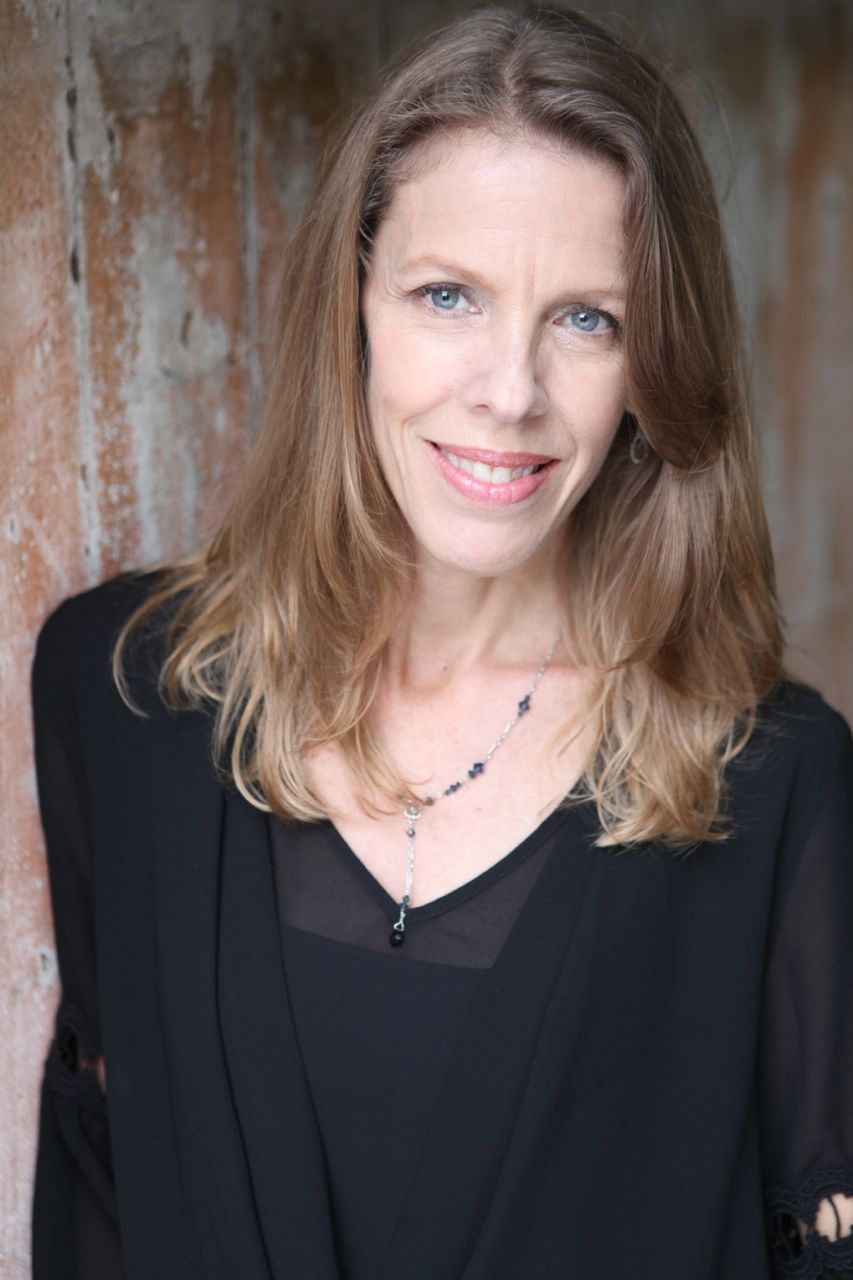
Melissa Mose, LMFT
Melissa Mose, LMFT, has been in private practice for 30 years and has specialized in working with OCD since 2011. She is certified in ERP therapy and is also a Level 3 trained and Certified Internal Family Systems therapist and an IFSI Approved Clinical Consultant. In her private group practice, Melissa has worked with hundreds of individuals with OCD and trains and supervises associates. Driven by a passion to make evidence-based OCD treatment more accessible and attuned to individual needs, Melissa has developed an integrative approach that brings the deeply compassionate IFS lens to treatment that is grounded firmly in the principles of exposure therapy. She is an international speaker and therapist educator on obsessive compulsive disorder offering consultation groups and courses through ifsforocd.com.
Melissa is currently the president of the board of directors of OCD Southern California, an affiliate of the International OCD Foundation. In her role on the board of OCD Southern California she has advocated for individuals with OCD, hosted speakers’ series, trainings, and organized one of largest virtual OCD conferences worldwide. She is the author of Internal Family Systems Therapy for OCD: A Clinician’s Guide which outlines an IFS-informed approach to OCD treatment that is grounded firmly in evidence-based principle of OCD treatment.
Cost
- Individual Registration: Regular Rate—$390; Early Bird Rate: $360
- Early Registration Deadline: February 14, 2026
- Black Therapists Rock, National Association of Black Counselors and all BIPOC clinicians may access a 25% off equity rate by using the “promo code” EQUITY
- NEAFAST Members may access a 15% discount using the “promo code” NEAFAST
- Students may access a 35% discount by using the “promo code” STUDENT
- 12 CEs will be available at an additional cost of $40 paid upon registration for social workers, mental health counselors, and marriage & family therapists. See our CE page for details about approved CE credits across disciplines.
- 12 CEs for IFS Certification will be available at no fee for those who are to use them, IFS Certified professionals and those seeking certification post IFSI Level 1 training.
Location
The event will be held live on Zoom. We will not be recording this event for participant access.
Additional Information
- 10-11:30am learning
- 11:30-11:45am Break
- 11:45am-1pm learning
- 1-2pm Lunch
- 2-3:30pm learning
- 3:30-3:45pm Break
- 3:45-5:30pm learning
The Internal Family Systems model and practices bring an effective, non-shaming, non-blaming, strength-based approach to the ways parts of people adapt to traumatic experiences. By engaging in problematic behaviors to cope, internal systems inadvertently create additional problems. Approaching people from a framework that addictive and anxiety driven emotions, behaviors, and thinking make sense provides a healing context in which the IFS technology can be successfully applied to incalcitrant problems that plague people and society at large.
Participants will:
- Learn the core systemic concepts of the IFS model
2. Identify the inner critic as a protective part within the Internal Family Systems model and articulate its underlying positive intent
3. Practice unblending from critical parts and accessing Self energy to relate to them with curiosity rather than reactivity
4. Describe the process by which an inner critic can be transformed into a supportive inner advisor
5 Identify and differentiate the specific characteristics that distinguish obsessive compulsive protectors from other protective parts in the internal system, particularly how obsessional managers respond to “sticky brain circuitry” and recruit compulsive firefighters.
6. Apply specialized IFS techniques for engaging with hypervigilant obsessional parts without reinforcing their content, and with compulsive parts to build access to and trust in Self.
7. Describe how the relationship between parts and neurobiology in OCD creates unique treatment challenges that make integrating IFS principles with first line OCD treatment valuable enhancement to traditional treatment approaches.
8. Explain basic concepts of the “OC subsystem” and parts language to improve client engagement and reduce treatment resistance in OCD therapy.
CE certificates will be downloadable within three days of each event after participants complete the workshop or course and fill out the online evaluation.
- Therapy Training Boston is approved by NBCC as an Approved Continuing Education Provider, ACEP No. 6707 for Mental Health Counselors. Programs that do not qualify for NBCC credit are clearly identified. Therapy Training Boston is solely responsible for all aspects of the programs.
 LEARN MORE ABOUT OUR CEs FOR MENTAL HEALTH COUNSELORS
 - This program has been submitted to NEAFAST for 12 LMFT CEs LEARN MORE ABOUT OUR CEs FOR MARRIAGE AND FAMILY THERAPISTS
- This program has been submitted to NASW for 12 Social Work Continuing Education hours LEARN MORE ABOUT OUR CEs FOR SOCIAL WORKERS
- Check with your state board to determine whether our approved CEs meet the criteria for your license
- This workshop has been authorized for 12 IFSI CEs, which can be used by participants who have completed a minimum of Level 1 IFS training through the IFS Institute to pursue certification or recertification through IFSI.
Read detailed information about CEs here.
No refunds are available for cancellations by participants regardless of the reason or time frame. If participants cancel 30 days or more prior to the event beginning, they may apply the fee to a future program. Workshops may be cancelled by Therapy Training Boston if minimum enrollment requirements are not met or in the case of other unexpected circumstances. If this occurs, a full refund will be provided.