
Therapy Training Boston’s couples therapy course is facilitated by Liz Brenner, LICSW with monthly guest presenters who are masters of the craft.
Days: The first Wednesday evening each month from November 2026 to May 2027:
Time: 6:45pm to 9:35pm Eastern Time convert to your time Zone here
Location: Live on Zoom; participants attend in real time
CEs: 18* see details below
Overview of Master Series in Couples Therapy Training:
- Didactic presentation about an aspect of couples therapy
- Role play demonstration of skills taught
- Small group discussion among participants
- Questions and reflections on lessons learned
- November 4, 2026 Lana Kim: Addressing the Invisible Load and Gendered Inequities in Couple Relationships
- December 2, 2026 Carol (Corky) Becker: What are you fighting for? An approach to couples in conflict
- January 6, 2027 Laura Gambrel: Relational Mindfulness: An Embodied Path from Reactivity to Attunement in Couples Therapy
- February 3, 2027 Jean Malpas: Consensual Love: Where freedom and loyalty meet
- March 3, 2027 Fiona True: Healing the Past in the Present: An approach to couples therapy that addresses past or present family violence
- April 4, 2027 Maria Bermudez: Socioculturally Attuned Practice with Couples
- MAY 5, 2027 Tammy Nelson: Affairs: Infidelity and Betrayal Trauma in Couples-Using Integrative Relationship Therapy Treatment
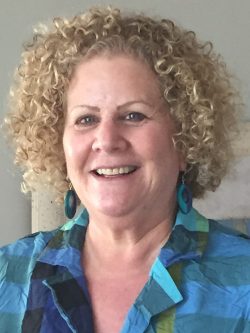
Liz Brenner, LICSW
Liz Brenner, LICSW, has over 30 years of experience doing family, couple and individual therapy in child psychiatric inpatient, residential, home-based and private practice settings. She was on the faculty of the Family Institute of Cambridge from 2003 until 2009 when it closed. Liz is currently the co-director of the Harvard Couple Conference and a teaching associate for Harvard Medical School providing family therapy training to staff at Cambridge Health Alliance in the Couple and Family Therapy Program. In 2017, Liz was the appreciative recipient of the award for the Greatest Contribution to Social Work Practice from the Massachusetts Chapter of the National Association of Social Workers.
She has written two articles on doing intensive home-based family therapy. She published a short article in the New England Journal for Relational and Systemic Therapy called Couple Therapy in the Absence of Presence: Translating Presence to the Screen. The Family Process Journal published her article The Development of the Internal Family Systems Model: Honoring Contributions from Family Systems Therapies co-authored with Richard C. Schwartz and Carol Becker.
“It has been such a pleasure to be a part of the Master Series couples therapy training. The presentations have been outstanding and invigorating. And even on Zoom, the role plays have been helpful in demonstrating theory while also conveying the emotional power of the work. I have also appreciated getting to know the members of the group. Thank you for an excellent year.”
Ellen Safier, LCSW, Adjunct Faculty at Center for Psychoanalytic Studies, Houston, TX
Outline for Each Meeting of the Course ~ 6:45 pm to 9:35 pm, Boston time
Break Out Discussion- 6:45 to 7 pm. Participants meet in groups of three for 15 minutes to discuss a question/topic/clinical dilemma related to the evening’s presentation on a specific topic in couples therapy
Speaker Introduction-7 to 7:05 pm
Guest presenter discusses critical ideas and practices that they use in working with couples – 7:05 pm to 7:45 pm (40 min)
Break: 7:45 to 8 pm
Live demonstration of couples therapy showing how to practice ideas presented – 8 pm to 8:40 pm (40 min)
Debrief role players’ experience of the interview, identify key couples therapy interventions that were demonstrated. -8:40 to 8:55 pm (15 min)
Participants small group discussion- 8:55 to 9:10 pm (15 min)
Large group unpacking of learning and questions for the speaker. – 9:10 pm to 9:35 pm (25 min)
Learning Objectives for the Course
- Describe two interviewing skills learned in each evening of the course.
- Compare interviewing skills demonstrated by senior couple therapists and discern when to use what approaches.
- List four techniques for preventing or working with conflict.
- Explain three different approaches for increasing connection and empathy in couples.
- Identify two similarities among the approaches to couple therapy presented.
- Identify two differences among the approaches to couple therapy presented.
- List two concepts related to working with each of these topics: using mindfulness in couples sessions, addressing gender and power in couple therapy, working with what couples are fighting for, addressing relational boundaries related to consensual monogamy and non-monogamy, working with violence and working with affairs and other betrayal.
Detailed Description of Each Couple Therapy Training Class
November 2, 2026 with
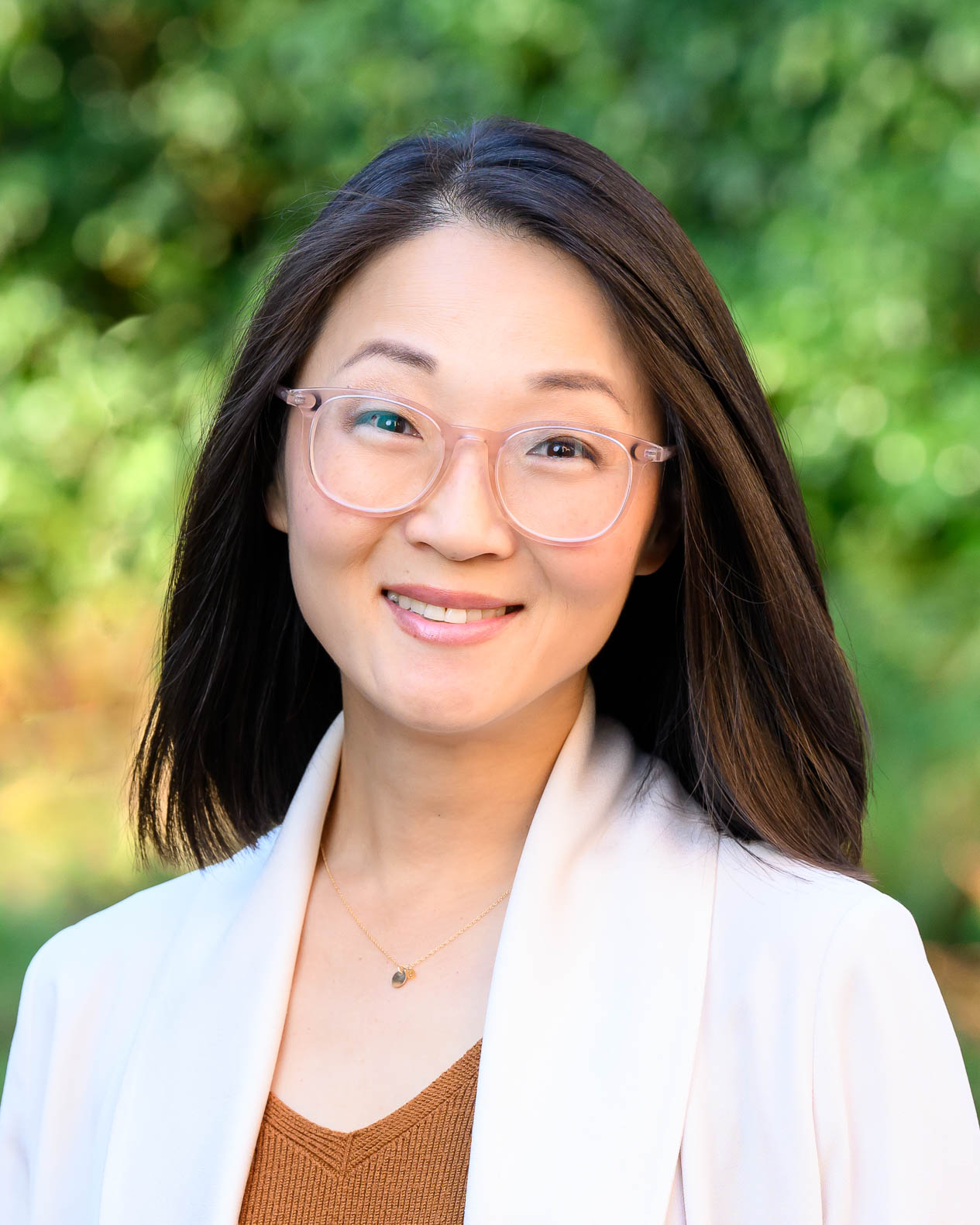
Couple conflict and dissatisfaction are commonly connected to imbalances in carrying out the mental and emotional work that is invisible but integral for managing and maintaining relationships. Yet, therapists can inadvertently overlook this and collude in perpetuating gendered inequities. Practices that visibilize the work in relational care help rebalance this load and facilitate more satisfying visions for partnership.
Power dynamics based in societal structures and the intersectional dynamics they produce affect the invisibility around care work. By using a socioculturally attuned lens to challenge the societal ideas that promote gendered expectations for relational responsibility, therapists can deepen their anti-racist and anti-discriminatory practices.
Learning Objectives
Attendees will learn to:
- Describe how to address gendered inequities in relational work using a socioculturally attuned lens.
- Identify common couple therapy issues that relate to underlying imbalances in carrying the invisible emotional and mental aspects of relational work.
- Discuss both sociocultural and therapeutic processes that inadvertently invisibilize the work involved in relational care.
December 2, 2026 with
Description:
Couples in conflict often have relational needs that are not met because they are fighting. Corky suggests that there are four categories that couple therapists can be aware of to help them turn their complaints to requests. She proposes that couple therapists listen for longings and wishes for in these four categories: Connection, Identity, Agency and Values. When the clinician discovers how these wishes resonate with partners they can be validated and become a turning point and direction for couple therapy.
Couples in conflict are very challenging for couple therapists. When couples complain about each other it is easy to get triangulated into the conflict or problem pattern between them. The therapist can inadvertently get caught up in the content of what people are fighting about rather than focusing on the relational needs that underpin their distress. Refocusing on what each member of the couple is fighting for validates each partner’s needs, helps each person see the other in a positive light, and provides a direction for the sessions and the treatment.
The underpinning of these ideas is relational justice, the idea that each person has a valid claim to be connected, included, and to feel a sense of belonging; to be seen, recognized and valued; to be agentive, influential and empowered; and to share and have support for their values. These four categories of relational need are founded on the idea of equality, justice, and empowerment, transcending imposed categories of race, class, sexual orientation and other marginalized identities.
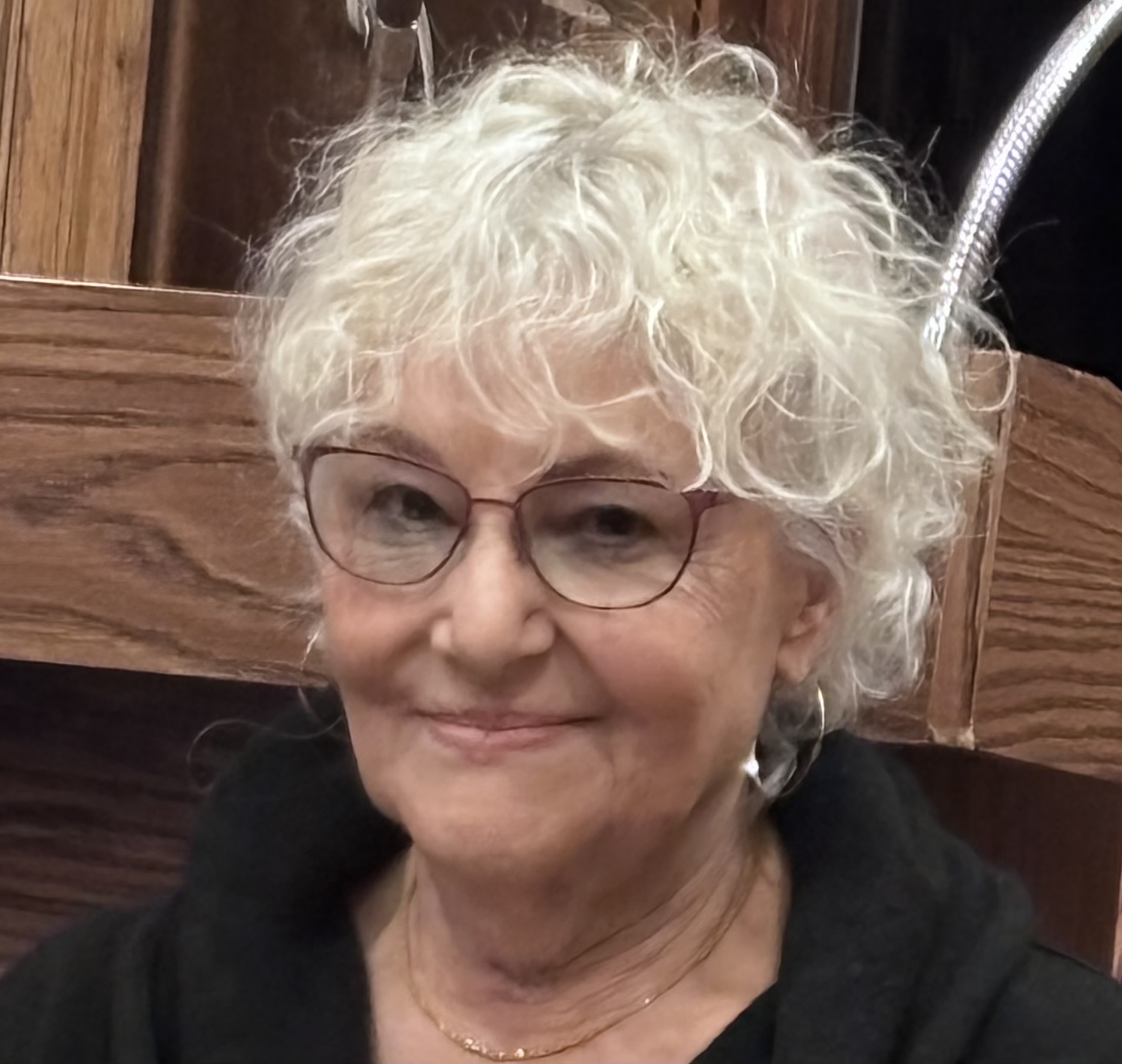 Corky is a couple therapist who has been in practice for fifty years, has taught couple and family therapy for forty years, has worked with a dialogue project helping people discuss polarized public issues (The Public Conversations Project) for 25 years, worked with the Harvard Negotiation Project helping people negotiate with others successfully for 25 years. She worked on the Kosova Professional Education Project after the war in Kosova for six years. She co-developed a course teaching family therapy in China for three years. Her paper entitled “What are you fighting for? Working with couples in conflict” has been accepted for publication in Family Process.
LEARNING OBJECTIVES
Attendees will learn to:
- Describe how to listen for and identify relational needs when they hear complaints each person has about their partner.
2) Explain how to translate complaints into requests for a relational need, longing, or hope that is valid and legitimate.
3) Articulate how to determine where to focus the work in couple therapy in treatment and in each session.
January 6, 2027 with Laura Gambrel, PhD in marriage and family therapy, LMHC (WA), LMFT (NC), LPC (CO), AAMFT approved supervisor, ICEEFT certified EFT couples therapist, EFCT supervisor-in-training
Description
Couple therapists are increasingly working with clients who struggle with chronic reactivity, nervous system dysregulation, emotional disconnection, attachment injuries, and difficulty maintaining emotional presence during conflict. This experiential presentation will address these needs by introducing relational mindfulness as a framework for helping diverse couples move toward real change by enhancing emotional safety, attunement, and secure connection. Integrating mindfulness, somatic awareness, attachment science, systems theory, and experiential couples therapy approaches, participants will learn how to use practical, embodied, mindfulness-based interventions to cultivate awareness and acceptance of self, other, and the relational process in real time.
Dr. Gambrel will explore how therapists can facilitate relational mindfulness interventions to support co-regulation, vulnerability, authenticity, and deeper connection between partners. Therapists will gain practical tools to help couples de-escalate reactive cycles, increase attunement, and strengthen their capacity for authentic and compassionate connection.
The relational mindfulness approach supports anti-racist and anti-discriminatory clinical practice by emphasizing nonjudgmental awareness, cultural humility, nervous system safety, enhanced curiosity, awareness of difference, and attunement to each partner’s lived experience and context. Participants will be invited to approach both themselves and their clients from an embodied social justice perspective while avoiding imposing dominant cultural norms on relational processes.
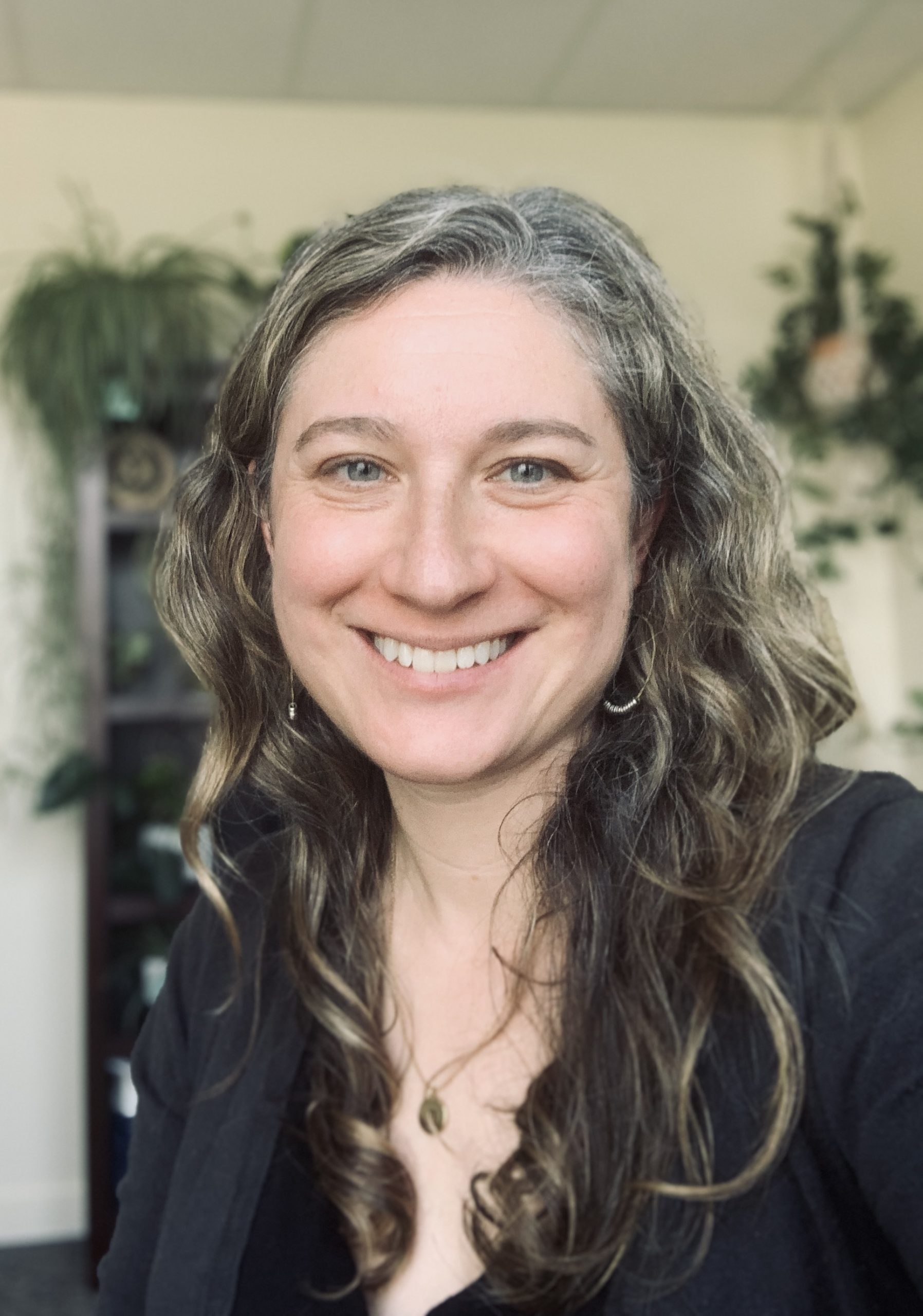 Dr. Laura Eubanks Gambrel, PhD, LMHC (WA), LMFT (NC), LPC (CO), is a couple therapist, supervisor, author, and trainer with over 20 years of clinical experience specializing in experiential and attachment-based couples therapy. She is a Certified Emotionally Focused Couples Therapist and EFCT Supervisor-in-Training, an AAMFT Approved Supervisor, and a certified mindfulness instructor.
As a former faculty member and researcher, Dr. Gambrel has focused on studying the effectiveness of mindfulness-based interventions to enhance relationships. She developed an integrative framework of relational mindfulness that combines mindfulness, somatic awareness, attachment science, and experiential couples therapy to help couples move from reactivity and disconnection toward deeper attunement and secure connection. Her work emphasizes embodied awareness, nervous system regulation, and the healing cycle of reaching, responding, and receiving in relationships. She is the founder of the Institute for Relational Mindfulness, where she provides therapy, supervision, and training in Bellingham and virtually worldwide.
Learning Objectives
Attendees will learn to:
- Describe the relational mindfulness process of reach, respond, and receive as a framework for promoting attunement and secure connection with couples.
- List three mindfulness-based and embodied interventions that facilitate emotional regulation, vulnerability, empathy, and co-regulation between partners.
- Identify how therapist presence, mindfulness, and self-of-the-therapist practices influence attunement and the therapeutic process in couple therapy.
February 3, 2027 with Jean Malpas, LMFT-D, LMHC-D
Description
Clinician will learn to interview couples using questions pertaining to consensual monogamy and non-monogamy. Exploration of the couple’s presenting problem aims to identify whether the point of entry into these questions is a crisis (for instance, a transgression), a conflict, and/or a collaborative exploration of their boundaries and relationship structures. The interview discerns how the couple’s history, identity, and narrative address questions of emotional and sexual loyalty and freedom. Most explorations of consensual monogamy and non-monogamy emerge in the context of a form of conflict, difference, or difficulty with the topic. Jean will help therapists learn five steps of exploration: each partner’s perspective, the cycle of interaction the conflict is embedded in, the detection and befriending of parts activated by the topic (fear, rejection, jealousy, abandonment, anger, etc). If and when the couple is ready, ways to address different perspectives on boundaries, commitment, fidelity, openness, decision making process, and rules to protect their agreements will be discussed. This approach also explores the question of how sexually and/or romantically connected the couple would like to be.
Couple therapists are not always equipped with questions, themes and strategies to unpack the questions all intimate relationships face around commitment, fidelity, trust as well as autonomy, freedom and openness.
Jean’s teaching acknowledges that while consensual monogamy and non-monogamy is practiced by couples of all racial, cultural and ethnic backgrounds, clinical and research literature tends to center white couples and experiences. His approach to interviewing will integrate intersectionality and race/culturally-driven power injustices.
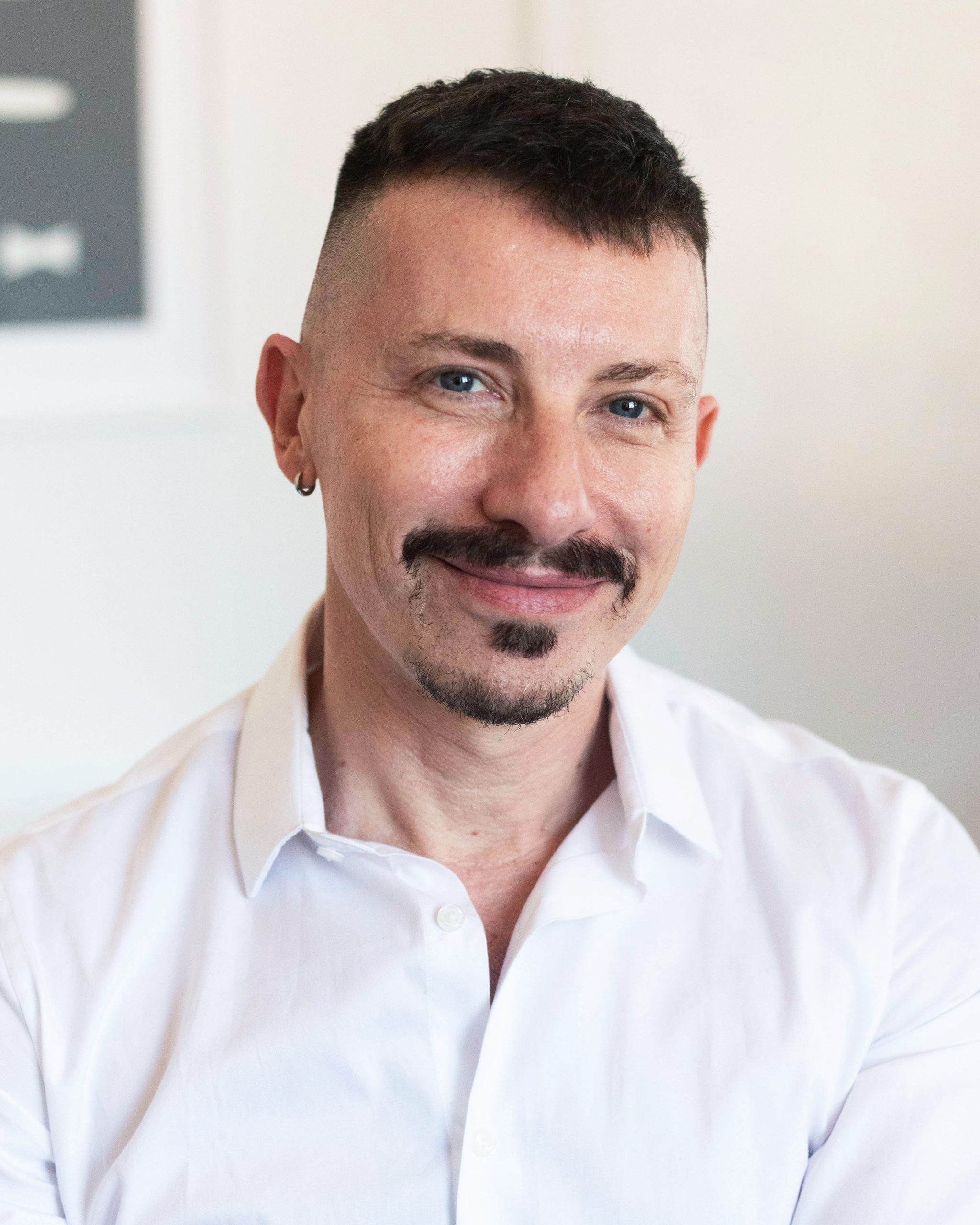 Jean Malpas, LMFT-D, LMHC-D, was trained in clinical psychology at the Université Libre de Bruxelles (ULB). He has been practicing as a psychotherapist, supervisor, and trainer in couple and family therapy for twenty-five years. After training in systemic therapy, Jean directed the International Training Program at the Ackerman Institute for the Family (NYC), where he also founded the Gender & Family Project and co-founded the Couples & Intimacies Project. His work with consensual commitment and queer couples has been published in numerous publications and presented at conferences across Europe, North and South America. He is the founder of JEM Therapy and maintains a private practice in New York City.
Learning Objectives
atendees will learn:
- Define consensual non-monogamy
- Explain how to explore relationship boundaries, structures, and hierarchy
- Use specific questions to explore relational interactions that organize the presenting issue in the couple
March 3, 2027 with
Fiona True, LCSW
Description
Couples in distress often come to therapy disconnected, disempowered, and emotionally dysregulated. Unable to reach each other, they may become stuck in cycles of blame and defensiveness in which each partner’s vulnerability triggers their survival strategy, which in turn triggers the other partner. Driven by their emotional brain, they focus on their own hurt and concerns, unable to hold the concerns of the other. We will explore the origins of these vulnerability cycles in neurobiology as well as family-of-origin experiences. In this cycle, each one’s behavior impacts the other, for better or worse. With an eye toward relational ethics, Dr. Fishbane will focus on ways to transform the cycle, helping each partner identify their own higher goals and values, operationalizing them into concrete choices and behaviors that hold both their own concerns and concerns for the other. This work is empowering, as each partner becomes more capable of reaching for their best self rather than reacting on automatic pilot.
Couple therapy is most productive when the therapist helps clients identify their own values and goals, focusing on who they want to be in this relationship. Going beyond power struggles, polarization, and blame, the therapist helps clients develop tools of empowerment and relational ethics so they can act more intentionally and with greater fairness and kindness in the relationship.
Anti-racist and anti-discriminatory practices will be addressed as Dr. Fishbane challenges sociocultural messages that promote a competitive, Power Over value system, which often derails couples. Whether power struggles are based in disparities in race, gender, income, or socioeconomic status, power struggles and Power Over behavior are hurtful and counterproductive to intimate relationships.
Fiona True, LCSW is Faculty Emeritus of the Ackerman Institute for the Family and a Co-Director of the Center for Children and Relational Trauma, a clinical research program that has addressed issues of family violence and relational trauma since 1992. She has authored several papers that address the dilemmas and clinical impasses that this set of presenting problems generates and trained many front-line clinicians in residential care, foster care and community mental health settings in the clinical practices the Center developed. As a member of the Teaching Faculty, she taught at all levels of the Ackerman training program and supervised Extern Students from 1995 through 2020. She served as Director of Community and international Training for 12 years during which time she was instrumental in developing collaborative relationships with training institutes in Hong Kong, Japan, Chile, Argentina and Spain. Together with her colleagues Marcia Sheinberg LCSW and Peter Frankel PhD, she was the recipient of the 2004 American Family Therapy Association (AFTA) Award for contribution to Theory and Practice.
Learning Objectives
Attendees will learn to:
1)Identify the dynamics that render the couple vulnerable to reactivity
2)Utilize both/and thinking to form safe therapeutic alliances with each member of the couple
3) Name a strategy for addressing violence in couple therapy
April 8, 2026 with
Description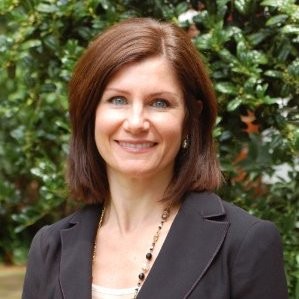
Affairs: Infidelity And Betrayal Trauma In Couples– Using Integrative Relationship Therapy Treatment
May 5, 2027 with
Description
Infidelity remains one of the critical issues in couple therapy, yet many clinicians receive little formal training to address it. Therapists are often faced with intense emotional reactivity, polarized narratives, questions about disclosure and forgiveness, and uncertainty about whether relationships can survive after an affair. Without a clear framework, they may inadvertently reinforce blame-based dynamics or become aligned with one partner’s experience at the expense of the relationship system. Tammy Nelson will discuss the range of issues related to affairs, the varieties of affairs, and the many ways that relationships can heal from this betrayal that affects intimacy. She will review three phases of treatment and the steps of the recovery process that lead to long term healing. Issues related to trust, forgiveness, new visions of monogamy, sexuality and connection as they impact the future of the couple’s relationship will be reviewed. Her structured, trauma-informed model helps couples move from crisis stabilization to meaning-making and ultimately toward creating a new vision for their relationship. Therapists will learn interventions that support accountability, emotional regulation, transparency, relational resilience, and sustainable healing. They will leave with practical tools for addressing trust, forgiveness, sexuality, attachment injuries, and the renegotiation of monogamy agreements in contemporary relationships.
Participants will be encouraged to examine their own assumptions about monogamy, fidelity, family structures, and relationship values, while developing greater cultural humility in their clinical work. The training moves beyond dominant cultural narratives that define healthy relationships through a single lens and instead explores how couples from diverse backgrounds create meaning around commitment, betrayal, healing, and intimacy.
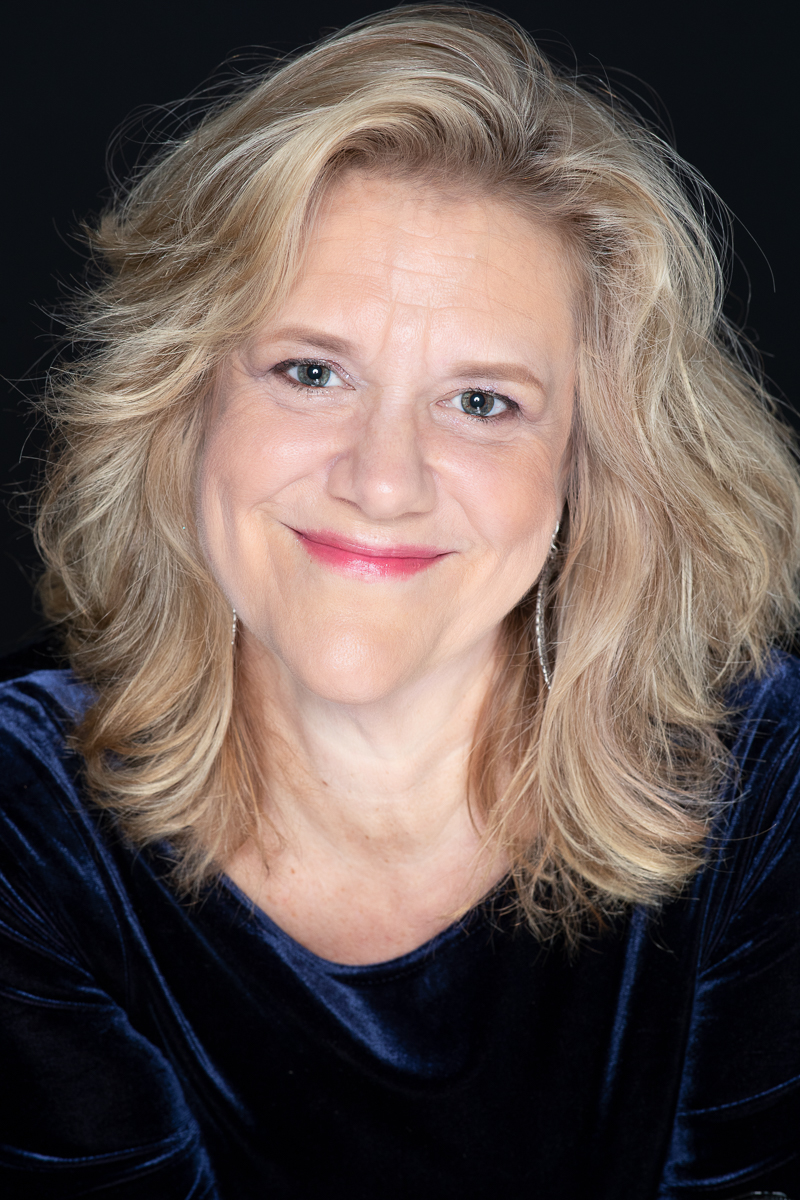
Tammy Nelson, PhD is an internationally recognized sex and relationship therapist, author, speaker, and educator with more than 30 years of experience helping individuals and couples create healthier, more authentic intimate relationships. She is the Executive Director and Founder of the Integrative Sex Therapy Institute and a leading expert on relationships, sexuality, consensual nonmonogamy, affair recovery, and trauma-informed couples therapy.
Dr. Nelson is the author of several influential books, including Open Monogamy, The New Monogamy, Getting the Sex You Want, When You’re the One Who Cheats, and Integrative Sex and Couples Therapy. Her work has been featured in the New York Times, New York Times Magazine, Wall Street Journal, Washington Post, and numerous television, podcast, and radio programs worldwide. She is the host of the podcast The Trouble with Sex and a sought-after keynote speaker whose work focuses on intimacy, truth-telling, desire, healing, and relational transformation.
Learning Objectives
- Understand infidelity using the three-part definition and how partners are affected in a marriage or committed partnership.
- Learn the effects of betrayal trauma on relationships
- Identify why some systems of recovery from affairs can retraumatize clients.
- Describe the three phases of treatment after an affair including the crisis, the insight, and the vision phases.
- Explain how to create new monogamy agreements
The thirteenth year (2026-2027) year of this couple therapy course will provide participants with the opportunity to learn from lecture, observation, and dialogue with seven senior couple therapists about the complex task of doing couple therapy well. Whether you are a veteran or just starting to work with couples, this course will enhance your skills, thinking and practice through the unusual opportunity to see expert couple therapists interview couples in different contexts, with different foci. The learning will also support individual work with people who are working with relational dilemmas.
New this year: we will use the same role play couple for multiple demonstration sessions providing the experience of seeing the way the couple progresses in treatment and responds to a variety of interventions and clinical styles.
Invited guest faculty will present critical ideas that are foundational to their approach, do a live interview with a role play couple, and answer questions from participants. Course members will be encouraged to note opportunities for learning and questions that arise as they watch the moment to moment unfolding of the role play interviews. After the demonstration interview there will be small group discussion among participants followed by a Q & A and participant reflections facilitated by Liz Brenner, LICSW. Participants will learn by seeing the similarities and differences in the approaches presented, which will enrich their own approach to couple work. Some class members will have the opportunity to learn experientially by playing the role of a member of a demonstration couple. Each evening will include opportunities for participants to connect and learn from each other in small groups.
Target Audience
This couples course is designed for helping professionals interested in the principles and practices of couples therapy, including, but not limited to, social workers, mental health counselors, and marriage & family therapists. The program serves the needs of beginning and intermediate couples therapists with little to a moderate amount of formal couples therapy training who are or would like to work with couples and families. We also support couples therapists and other practitioners who take the course to deepen their knowledge, enhancing capacities for supervision, teaching, training, and administrative roles.
Statement of Need
Couple therapy is energizing, challenging, and rewarding work. Doing couple therapy well is a complex task that requires ongoing learning and practicing of new skills. This couple therapy training will include expanding participants frame to work with a wide range of couples who are struggling with relational skills including problems related to our larger social contexts that impact just relationships due to marginalization of sexual, gender and other critical identities. There will be a minimum of three hours spent discussing couple therapy that includes antidiscrimination practices.
Cost
- Registration: The cost for individual registration $775. Early registration available until for individuals is $750.
- September 14, 2026 is the early registration deadline. Payment plans are available.
- CEUs: additional cost of $40 for CEs for the professions who are eligible and people who would like to access those. CEU information below.
- Our EQUITY rate for Black Therapists Rock, National Association of Black Counselors, NEAFAST Members, BIPOC, LGBTQIA+ clinicians is $700. Use the “promo” code EQUITY in the online registration form to access this discount..
- Please note: you must register for the couples course as a whole. Attendance at individual sessions of the course is not allowed to maintain the integrity of the learning group. Contact us for more information.
Testimonials from Past Participants
“It has been such a pleasure to be a part of the Master Series couples therapy training. The presentations have been outstanding and invigorating. And even on Zoom, the role plays have been helpful in demonstrating theory while also conveying the emotional power of the work. I have also appreciated getting to know the members of the group. Thank you for an excellent year.”
Ellen Safier, LCSW, Adjunct Faculty at Center for Psychoanalytic Studies, Houston, TX
“I want to echo others’ in extending my gratitude and appreciation for such a wonderful couples therapy training this year! I have to say it was one of the best Zoom classroom experiences I’ve had, and I credit your skillful design—the blending of large and small group experiences as well as an outstanding lineup of guest teachers and courageous role-players.”
Anonymous Participant
“Thank you for creating this invaluable learning space for the intimacy of couples therapy training. And to my colleagues and fellow participants—it was lovely to learn with and from you.”
Joanna M. Poole, MA, LMHC, private practice
“Thank you for another great year of this unique and wonderful couples therapy training. Each class this year has been outstanding. Have also really enjoyed sticking with the same small group for each class. A small change, but it made a big difference.”
Heidi Krueger, LICSW, retired
“It was fun! Great 2021-22 series! Can’t wait to see the topics and the speakers for next couples therapy training series is bringing to us.”
Chuck Weinstein, LMHC, CPRP, CPS, private practice
Additional Information
Participants MUST attend 100% of the program to earn the 18 CEs approved for eligible professions.
- Therapy Training Boston is approved by NBCC as an Approved Continuing Education Provider, ACEP No. 6707 for Mental Health Counselors. Programs that do not qualify for NBCC credit are clearly identified. Therapy Training Boston is solely responsible for all aspects of the programs.
- This application is pending certification for 18 Licensed Marriage & Family Therapist Continuing Education hours for re-licensure by the New England Association for Family and Systemic Therapy (NEAFAST) on behalf of the Massachusetts Board of Registration of Allied Mental Health & Human Services Professions.
- This activity is pending 18 Social Work Continuing Education hours for re-licensure by the The National Association of Social Workers Massachusetts Chapter (NASW-MA) authorization number D 91296-3 on behalf of the Board of Registration of Allied Mental Health & Human Services Professions.
- Read detailed information about CEs.
Target Audience: This offering is relevant to all helping professionals including but not limited to social workers, mental health counselors, psychologists, marriage & family therapists.
Commercial support and conflicts of interest: There is no commercial support for this program.
- Statement of Need
Doing couples therapy well is a complex task that requires ongoing learning and practicing of new skills. This couples therapy training expands participants frame to work with a wide range of couples who are struggling with relational skills. Problems addressed include relational problems caused by sociocultural context including marginalization of ethnicity, sexuality, gender and other critical identities.
- About Our Couples Therapy Training
The twelfth year year of this couples therapy training will provide participants the opportunity to learn from lecture, observation, and dialogue. Seven senior couples therapists teach about the complex task of doing couples therapy well. Couples therapy is energizing, challenging, and rewarding work. Whether you are a veteran couples therapist or just starting, this course will enhance your skills, thinking and practice. Watching expert couples therapists’ interview role play couples in different contexts, with different foci, is fun and rewarding. Learning will also support individual work with people who bring relational dilemmas.
Invited guest faculty will present critical ideas that are foundational to their approach, do a live interview with a role play couple, and answer questions from participants. Participants will learn by reflecting on similarities and differences in approaches presented, enriching their own approach to couples work. Some class members will learn experientially through role play. Each evening will include opportunities for participants to connect with each other.