
Liz Brenner, LICSW, facilitates this couples therapy training with monthly guest presenters. Learn about doing couples therapy in a fun, accessible format offering deep learning and connection.
Days: One Wednesday evening per month from November 2025 to May 2026, mostly on the first Wednesday
11.5.2025, 12.3.25, 1.7.26, 2.4.26, 3.4.26, 4.8.26 (second Wednesday due to Passover), 5.6.26
Time: 6:45pm to 9:35pm Eastern Time convert to your time Zone here
Location: Live on Zoom. Participants attend in real time.
CEs: 18* see details below
2025
- November 5, 2025 Akilah Riley Richardson: Micro-liberatory Movements: Supporting BIPOC and LGBTQI Couples Who Endure Systemic Trauma
- December 3, 2025 Joe Winn: Moving Beyond Heteronormativity: What BDSM/Kink Can Teach Us About Consent, Differentiation, Pleasure, and Relationships That Work
2026
- January 7, 2024 Maru Torres-Gregory: Protecting the Partnership: Doing Relational Work in Individual Therapy
- February 4, 2024 Anthony Chambers: Assessing Couple Distress
- March 4, 2024 Mona Fishbane: Reaching for Your Best Self in Couple Therapy: Neurobiology Meets Relational Ethics
- April 8, 2024 Patricia Papernow: Meeting the Clinical Challenges of Couples in Stepfamily Relationships
- May 6, 2024 Patricia Rich: Self-Led Sexuality: An IFS Based Approach with Couples for Healing, Pleasure and Empowerment


Akilah Riley Richardson
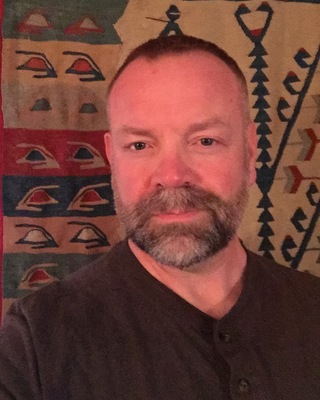
Joe Winn

Maru Torres-Gregory

Anthony Chambers

Mona Fishbane
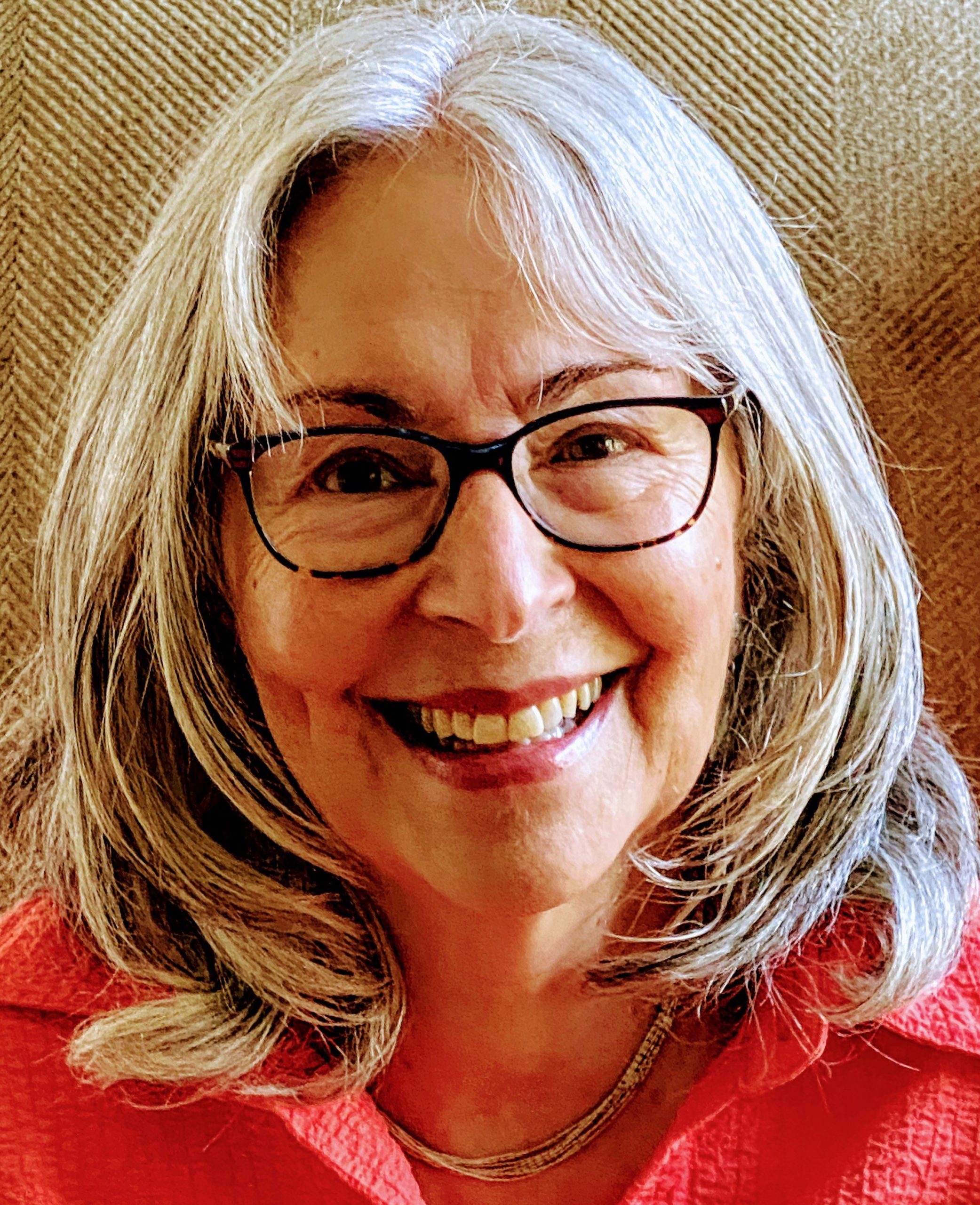
Patricia Papernow

Patricia Rich
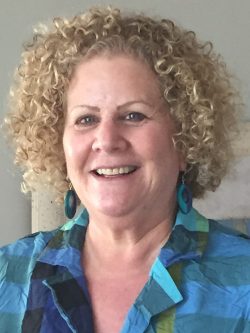
Liz has over 30 years of experience doing family, couple and individual therapy in child psychiatric inpatient, residential, home-based and private practice settings. She was on the faculty of the Family Institute of Cambridge from 2003 until 2009 when it closed. Liz continues to learn and be inspired by many colleagues and mentors from FIC and elsewhere. She is the co-director of the Harvard Couple Conference and a teaching associate for Harvard Medical School providing family therapy training to staff at Cambridge Health Alliance in the Couple and Family Therapy Program. In 2017, Liz was the recipient of the award for the Greatest Contribution to Social Work Practice from the Massachusetts Chapter of the National Association of Social Workers
“It has been such a pleasure to be a part of the Master Series couples therapy training. The presentations have been outstanding and invigorating. And even on Zoom, the role plays have been helpful in demonstrating theory while also conveying the emotional power of the work. I have also appreciated getting to know the members of the group. Thank you for an excellent year.”
Ellen Safier, LCSW, Adjunct Faculty at Center for Psychoanalytic Studies, Houston, TX
Outline for Each Meeting of the Course ~ 6:45 pm to 9:35 pm, Boston time
Break Out Discussion- 6:45 to 7 pm. Participants meet in groups of three for 15 minutes to discuss a question/topic/clinical dilemma related to the evening’s presentation
Speaker Introduction-7 to 7:05 pm
Guest presenter discusses critical ideas and practices that they use in working with couples – 7:05 pm to 7:45 pm
Break: 7:45 to 8 pm
Role play demonstration of couples therapy showing how to practice ideas presented – 8 pm to 8:40 pm
Debrief role players’ experience of the interview -8:40 to 8:50 pm (10 min)
Participants small group discussion- 8:50 to 9:05 pm (15 min)
Large group identification of key aspects of the learning, reflections, and questions – 9:05 pm to 9:35 pm (30 min)
Learning Objectives for the Couples Therapy Course
- Describe two interviewing skills learned in each evening of the couples therapy training.
- Compare interviewing skills demonstrated by senior couples therapists and describe when to use what approaches.
- Detail four techniques for preventing or working with conflict.
- Explain three different approaches for increasing connection and empathy in couples.
- Identify two similarities among approaches to couples therapy presented in the course.
- Name two differences among approaches to couples therapy presented in the course.
- List two concepts related to working with each topic: assessing couple distress, working effectively with marginalized couples, using IFS to enhance sexual connection, working with relational issues in individual therapy, what couples can learn from the BDSM/kink community, common challenges for couples in “blended families”, and addressing relational empowerment in couples therapy
Description of Each Class & Instructors in the Couples Therapy Training: click on the plus sign for details
Description:
Throughout this evening, you’ll discover how we as practitioners can create transformative change in relationships and partners who face systemic oppression. We’ll explore practical techniques to empower marginalized couples, challenge systemic forces, and cultivate resilience. Learn to identify and nurture micro-liberatory movements that foster agency, connection, and hope. This presentation offers a framework for therapists to disrupt cycles of harm, promote healing, and create pathways towards authentic relationship building within the context of systemic injustice, fostering genuine liberation one step at a time.
Couple therapists require specialized training to address the unique challenges faced by BIPOC and LGBTQI+ couples navigating systemic oppression. This presentation equips therapists with essential tools to understand relational privilege, recognize the impact of systemic trauma on couple dynamics, and implement micro-liberatory movements, fostering equitable and empowered relationships that defy societal barriers.
This presentation addresses anti-racist and anti-discriminatory practice by:
- Centering marginalized voices, prioritizing the lived experiences and perspectives of BIPOC and LGBTQI+ couples, ensuring their narratives are not pathologized or minimized.
- Challenging systemic power dynamics by equipping therapists with tools to recognize and address how societal power structures, including racism and heteronormativity, infiltrate and distort couple relationships.
- Promoting equity and justice by advocating for interventions that empower couples to dismantle oppressive patterns, reclaim their agency, and build relationships founded on mutual respect and liberation from systemic constraints.
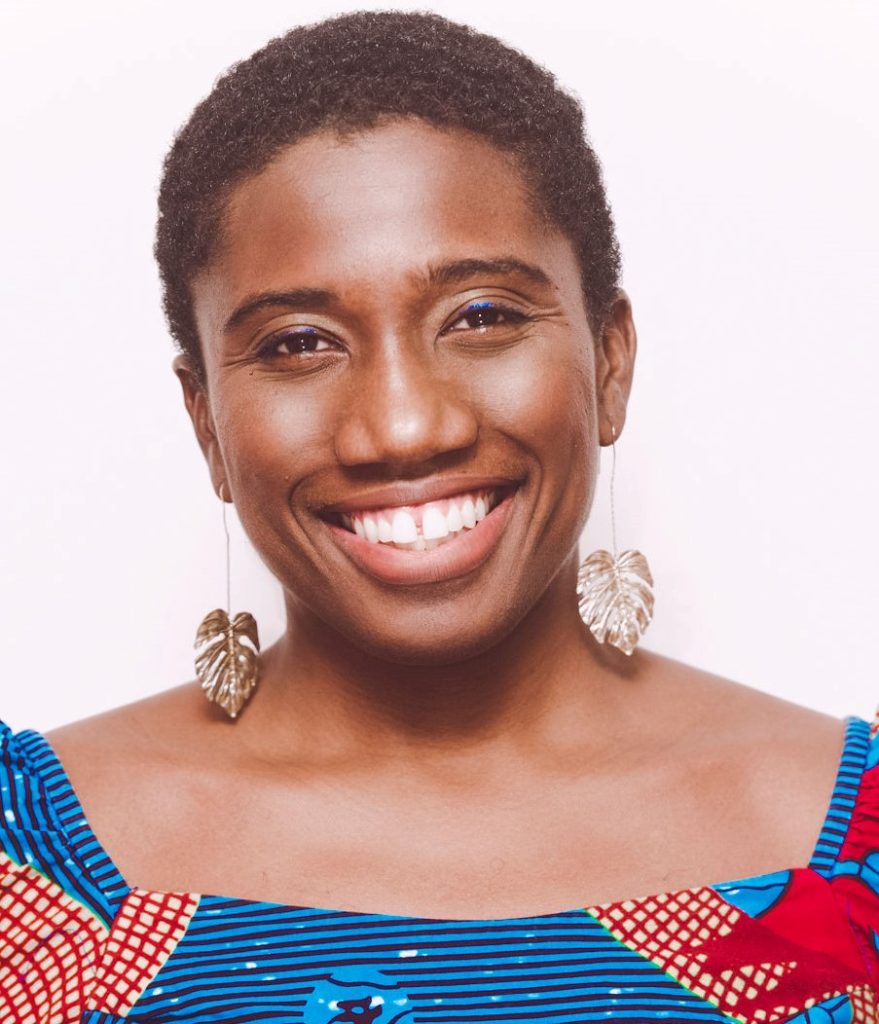
Akilah Riley-Richardson, MSW, CCTP is a dedicated couples therapist, educator, and researcher with over eighteen years of experience in the helping profession. As a Certified Clinical Trauma Professional and STAIR Method Certified clinician, Akilah specializes in relational healing, focusing on the needs of couples and individuals, both in the Caribbean and internationally. Her expertise extends to supporting sexual and racial minorities, ensuring that her practice is inclusive and culturally sensitive. Akilah’s commitment to education and advocacy has led her to consult for esteemed organizations, including NASTAD, I-TECH, CARPHA, and CVC, where she has made significant contributions to healthcare training and community support. She has presented her work at various prestigious forums, such as the Psychotherapy Networker Symposium, Academy of Therapy Wisdom, Harvard Medical School/Cambridge Health Alliance Treating Couples Conference, Chicago School of Psychology and the Black Mental Health Symposium. From 2012 to 2025, she served as a Social Work Educator at the University of the Southern Caribbean, mentoring future leaders in the field. As the founder of the Relational Healing Institute and the creator of the P.R.I.D.E. model, Akilah is passionate about advancing relational therapies. Her book, “Marginalized Couples in Therapy, will be published by WW Norton and Company in early 2026.
Learning Objectives
Attendees will learn to:
- Analyze how systemic trauma and relational privilege impact the couple dynamics of BIPOC and LGBTQI+ clients.
- Apply micro-liberatory movement techniques within the P.R.I.D.E. model to foster agency and resilience in marginalized couples.
- Design culturally responsive interventions that challenge oppressive societal norms and promote equitable relationships.
December 3, 2025 with
Description:
Moving beyond heteronormative constructs of sexuality and gender roles, this evening’s teaching will offer participants an opportunity to explore and utilize frameworks for how power, pleasure, and desire are discussed, negotiated, and engaged among those who practice BDSM/Kink. These tools will then be explored as pathways to create greater differentiation, gender equality, consent, and optimal relational and sexual functioning, with the couples with whom we work. This course will draw from multiple systemic therapy models including Aponte’s Person of The Therapist frame of self-evaluation, the sexological research of Peggy Kleinpatz, the sexual health pathway model of Doug Braun-Harvey and Michale Vigorito, and the differentiation perspectives of Murray Bowen, David Schnarch, Ellyn Bader and Pete Pearson.
Very little education is offered to couples’ therapists about the damaging impacts of heteronormativity on differentiation, consent negotiation, and optimal sexual and relational functioning. Yet, these issues are often central to the concerns couples present in therapy. Joe will offer participants an opportunity to explore howBDSM/Kink communities have developed frameworks to discuss erotic desire, negotiate pleasure, and minimize the limiting impact of heteronormativity. Through self-exploration, differentiation, contemporary sexological research and theory, clinicians will learn how to immediately apply these negotiation skills to their own practices as couples’ therapists.
Joe is an independent clinical social worker, AASECT certified sex therapist and AASECT Certified Supervisor of Sex Therapy. He completed his graduate training in Social Work through Boston University in 1995 and has maintained a private practice since 2006. Joe’s post graduate work and training has focused primarily on clinical work with families and couples, human sexuality, domestic violence, psychological trauma, and substance use disorders. Joe’s primary clinical interests include working with LGBTQ+ relationships, consensual non-monogamy, BDSM/kink, and high conflict couples, as well as survivors of sexual assault working to reclaim relational, erotic, and sexual pleasure. Joe was a member of the training and supervisory faculty at The South Shore Sexual Health Center from 2015-2025 and was also a co-developer and facilitator of the Sexual Attitude Re-evaluation training program with The Center for Sexual Pleasure and Health, formerly located in Pawtucket, RI, from 2010-2015. In addition to his clinical and supervisory practice, Joe has also lectured nationally and internationally on topics of sexuality, problematic sexual behavior, relational therapy, BDSM/kink, and ageing, pleasure, and sexuality among LGBTQ + elders.
Learning Objectives
Attendees will learn to:
- Assess how one Sexological World View informs biases towards non-heternormative relational systems.
- Identify a minimum of two common practices, principals, and research supporting BDSM/Kink as normative variations of sexual, erotic, and relational style.
- Apply principals of differentiation, sexological research, and erotic negotiation skills to the delivery of clinical services in couple’s therapy.
January 7, 2027 with
Maru Torres-Gregory, JD, PhD, LMFT
Description
Frequently, therapists find themselves working on relational issues with only one client in attendance. This often becomes a problem for couple therapists whose clients are in individual treatment that does not support the relational work they are attempting to support. Doing relational work in individual therapy is challenging, even for clinicians who are systemically trained. It raises various clinical, ethical, assessment, and systemic concerns, among others. Maru will help attendees identify clinical constraints to remaining systemic while working on relational problems with one person in the room. She will describe, and help participants develop, systemic interventions that lower the risk of inadvertently harming intimate relationships that clients identify as problems to address. Additionally, Maru will aid participants in developing steps to identify their own potential biases or vulnerabilities that could increase the likelihood of undermining their clients’ intimate relationships. She will also support our ability to assess ethical dilemmas involved when working individually with relationship difficulties.
Maru Torres-Gregory, JD, PhD, LMFT (IL, MA, & NY) has over 20 years of experience working with couples, families, and individuals in diverse settings. She has a passion for training couples and family therapists, post-doctoral fellows, clinicians, and mentoring supervisors in training. She is a part-time Lecturer on Psychiatry at the Harvard Medical School, providing couple and family therapy training for staff at Cambridge Health Alliance. Maru has been Adjunct Associate Professor and Clinical Supervisor in the Marriage and Family Therapy Program at Iona University, and Core Faculty, Clinical Lecturer, Group, Individual, and Post Doctoral Supervisor in the Marriage and Family Therapy Program at the Family Institute at Northwestern University where she was a Clinical Staff Member for over10 years. She is the founder of Rise Relational Therapy in Cambridge, MA.
Dr. Torres-Gregory has co-authored or authored articles on post-modern family therapy, working with high conflict couples, positive connotation in Milan systemic therapy, and holding conversations about diversity in training of marriage and family therapists. Before becoming a couple and family therapist, Dr. Torres-Gregory worked as an attorney on her beautiful island of Puerto Rico. She combines her backgrounds by teaching legal and ethical issues in marriage and family therapy
Learning Objectives
attendees will learn to:
- Develop systemic interventions that lower the risk of inadvertently harming individual clients’ relationships
- Identify clinical constraints to preserving a systemic approach when working individually on relational issues
- Identify potential therapist biases or vulnerabilities that could increase the likelihood of undermining clients’intimate relationship
- Assess ethical dilemmas involved when working individually with relational difficulties
Anthony Chambers, Ph.D., ABPP
Description
Dr. Chambers will describe his model of a four session couple evaluation in enough detail so that participants will be able to replicate this model for use in their own practice with couples. Specifically, the presentation will describe the rationale and goals for the model, the tasks and pertinent issues to assess in each session, as well as how to present the model to couples during the initial phone call and initial visit. Finally, the presentation will define how to provide a dyadic/systemic conceptualization of couples’ relationship problems, and how to make appropriate recommendations for treatment. Ethical and complicated issues such as confidentiality, how to handle secrets, and how to know when couple therapy is contraindicated will also be presented
Couple therapy is one of the most commonly practiced forms of therapy, yet most clinicians receive very little systemic training on how to conceptualize couples. This problem is particularly salient given that the complexity of case conceptualization is exponentially increased due the addition of each person in the therapy room. Couple therapists are faced with an inordinate amount of information that they must organize and understand. This lecture will describe a systematic approach that helps therapists distill complex information while maintaining a systemic focus.
This approach has been used successfully with couples from all walks of life. Dr Chambers has published this couple assessment model for working with African American couples.
 Anthony Chambers, Ph.D., ABPP, is the Chief Academic Officer at The Family Institute at Northwestern University (TFI). Dr. Chambers is also the Director of Northwestern University’s Center for Applied Psychological and Family Studies and is a Clinical Professor in the Department of Psychology. Dr. Chambers is also the former President of the American Psychological Association’s Society for Couple and Family Psychology (Division 43), the former President of the American Academy of Couple and Family Psychology (AACFP), and a former member of Board of Directors for the American Psychological Association (APA).
Dr. Chambers received his BA in Psychology from Hampton University and completed both his M.A. & Ph.D. in Clinical Psychology at the University of Virginia. He completed his internship and postdoctoral clinical residency at Harvard Medical School and Massachusetts General Hospital and completed a postdoctoral fellowship in couple therapy and psychotherapy research at The Family Institute at Northwestern University.
Dr. Chambers engages in scholarly writing, teaching and public speaking aimed at disseminating the latest knowledge about how to have a healthy relationship. Noteworthy academic achievements include co-authoring Integrative Systemic Therapy (IST); co-editing the Encyclopedia of Couple and Family Therapy; co-editing an APA Series on Couple and Family Psychology; and co-editing a TFI book series on IST.
Dr. Chambers’ professional accomplishments have resulted in becoming a fellow of the APA, a fellow of the AACFP, and a diplomat of the American Board of Couple and Family Psychology. He also serves on the editorial board of the journal Family Process and is the past Associate Editor for the journal Couple and Family Psychology: Research and Practice.
Learning Objectives
atendees will learn:
- Describe several aspects of assessing couple distress via a four-session evaluation
- Explain how to implement the 4-session evaluation
- Describe the goals of each session
- Identify a minimum of three common presenting problems facing couples
Mona D. Fishbane, Ph.D
Description
Couples in distress often come to therapy disconnected, disempowered, and emotionally dysregulated. Unable to reach each other, they may become stuck in cycles of blame and defensiveness in which each partner’s vulnerability triggers their survival strategy, which in turn triggers the other partner. Driven by their emotional brain, they focus on their own hurt and concerns, unable to hold the concerns of the other. We will explore the origins of these vulnerability cycles in neurobiology as well as family-of-origin experiences. In this cycle, each one’s behavior impacts the other, for better or worse. With an eye toward relational ethics, Dr. Fishbane will focus on ways to transform the cycle, helping each partner identify their own higher goals and values, operationalizing them into concrete choices and behaviors that hold both their own concerns and concerns for the other. This work is empowering, as each partner becomes more capable of reaching for their best self rather than reacting on automatic pilot.
Couple therapy is most productive when the therapist helps clients identify their own values and goals, focusing on who they want to be in this relationship. Going beyond power struggles, polarization, and blame, the therapist helps clients develop tools of empowerment and relational ethics so they can act more intentionally and with greater fairness and kindness in the relationship.
Anti-racist and anti-discriminatory practices will be addressed as Dr. Fishbane challenges sociocultural messages that promote a competitive, Power Over value system, which often derails couples. Whether power struggles are based in disparities in race, gender, income, or socioeconomic status, power struggles and Power Over behavior are hurtful and counterproductive to intimate relationships.
Mona Fishbane, Ph.D., clinical psychologist in New Jersey, is former Director of Couple Therapy Training, Chicago Center for Family Health. Mona lectures nationally and internationally; she has published numerous articles on couple therapy, intergenerational relationships, and interpersonal neurobiology. Her most recent article was “Couple Relational Ethics: From Theory to Lived Practice” (Family Process, 2023). Mona received the 2017 Family Psychologist of the Year Award from The American Psychological Association (Society for Couple & Family Psychology); and the 2023 Distinguished Contribution to Family Therapy Award from AFTA (American Family Therapy Academy). Mona’s book, Loving with the Brain in Mind: Neurobiology & Couple Therapy (2013), is part of the Norton Series on Interpersonal Neurobiology.
Learning Objectives
Attendees will learn to:
- Identify couple vulnerability cycles and explain the neurobiology fueling them
- Apply a minimum of three techniques to help couples transform their cycle and co-create new interactions in keeping with their own higher values
- Design interventions to promote relational ethics in couple therapy, enhancing fairness, respect, and shared power
Description
This evening will focus on recognizing and meeting the unique challenges of couples in “blended families”. Patricia will help couple therapists navigate the way stepfamily structure can create challenging insider/outsider relationships. She will help us assist couples who are re-coupling meet the needs of children who struggle with losses, loyalty binds, and change. Ways to navigate the differences between parenting and stepparenting will be discussed as will the topic of creating a new family culture in the presence of potentially different established norms. Ways to help couples manage relationships with at least one other parent outside the household (dead or alive) who is a permanent part of the family will be described.
Patricia will introduce a three-level framework for clinical work that integrates a wide variety of therapeutic modalities in the context of her five decades of clinical work and over four decades of stepfamily research:
- Psychoeducational: Understanding what’s normal, what works, and what doesn’t.
- Interpersonal: Creating and sustaining connection in the face of stepfamily challenges.
- Intrapsychic/family-of-origin: Healing “old bruises” triggered by stepfamily challenges.
You’ll leave with a clear map of the territory, a box of tools for sowing realistic hope, softening conflict and forging connection, and a boat load of great handouts.
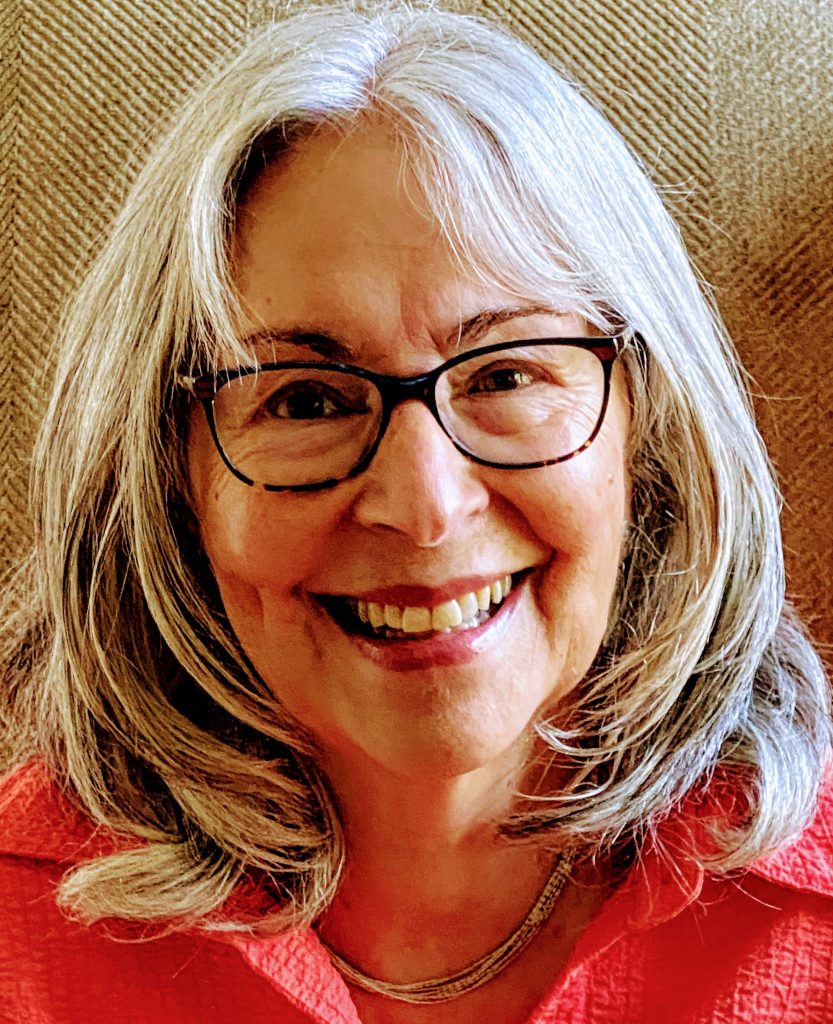
Patricia Papernow, EdD, is an internationally recognized expert on “blended families.” Her work integrates a wide variety of theoretical models and is informed by over almost five decades of clinical practice combined with a deep understanding of the current research. Dr. Papernow teaches all over the U.S. and the world and has authored dozens of articles and book chapters on “blended families” as well as the leading books in the field: Surviving and Thriving in Stepfamily Relationships: What Works and What Doesn’t, and, with Karen Bonnell, The Stepfamily Handbook: From Dating to Getting Serious to Forming a “Blended Family.” She is the recipient of the Award for Distinguished Contribution to Family Psychology from the American Psychological Association and the Award for Distinguished Contribution to Family Therapy Practice and Theory from the American Family Therapy Academy. Dr. Papernow is a psychologist in Hudson, MA.
Learning Objectives
Attendees will learn to:
- Participants will be able to describe a minimum of two differences between a first-time family and a stepfamily.
- Participants will be able to describe at least three of the challenges stepfamily structure creates for couples
- Participants will be able to describe at least three examples of “what works” to meet these challenges.
Description
Physical touch and sexual intimacy can be important ways for couples to feel close, happy and co-regulated. Yet for many couples, inner and outer obstacles make it hard to connect in these ways, or even to know what they feel, fear, or desire. The Six S’s Framework is the presenter’s integration of Internal Family Systems with sex therapy and other perspectives. It offers an efficient way for individuals and couples to discover parts of themselves which create barriers in relation to sex and sexuality. The framework supports access to a deeper source of authentic knowing, referred to in IFS as Self, which has the capacity to heal and harmonize their own system, and offers new ways to connect emotionally and physically with partners. Therapists can learn to guide individual and couple’s exploration of The Six S’s so they can feel Safe, Sensual, Spacious, Sensitive, Steamy and Satisfied, if that is their desire. This session will offer an introduction to key concepts and processes.
Despite the key role that sex and physical connection play in couples’ relationships, most therapists receive little training in how to safely and ethically support couples in this area. This omission leaves a crucial topic outside of the therapy room, or when addressed without an adequate framework, may run the risk of imposing therapist values, missing nuances of the dynamic, or relaying misinformation. The Self-Led Sexuality approach offers a flexible structure for cultivating self-awareness and gaining consent internally, interpersonally, as well as in the therapeutic relationship to address sensitive material. As the sexual landscape in our culture continues to evolve in ways both freeing and restricting, it is more important than ever for therapists to have confidence and competence to help couples navigate this terrain.
Our internal and relational landscapes of sexuality are profoundly impacted by the larger cultural forces which we are embedded in from birth, including the legacies of our families, current laws and cultural attitudes, and systemic forms of oppression and marginalization. The Self-Led Sexuality approach places a high priority on therapists examining their own parts, histories, beliefs, and burdens and cultivating access to their own Self so they can serve their clients from a place of clarity and compassion. The approach considers the way that sexuality can serve as a resource for coping or be experienced as a vulnerability which must be guarded or shut down. Therapists are encouraged to bring curiosity and respect to each person’s journey and larger context.

Patricia Rich, LCSW, CST-S (she/her) is an IFS Institute Certified Level 3 IFS Therapist and Approved Consultant and an AASECT Certified Sex Therapist and Supervisor. She has developed a unique integrative model for Self-Led Sexuality to help people find more ease, joy, and confidence in the bedroom and beyond. She has originated IFS-informed concepts such as Internal Consent and The Six S’s of Sexual Self-Energy. Patty has presented at the IFS Annual Conference, taught a module for the IFS Institute Online Continuity program, led workshops internationally, and authored a chapter in Altogether Us: Integrating the IFS Model with Key Modalities, Communities and Trends. She offers training and consultation to professionals and loves helping people to BeHold and Lead their Internal Sexual Systems (BLISS)™. She hosts “Self-Led in Bed: An IFS & Sexuality Podcast”. Patricia lives in the Philadelphia area where she also has a private practice.
Learning Objectives
- Define and apply Internal Family Systems concepts of multiplicity and unblending to helping couples explore their sexual lives.
- Describe The Six S’s Framework and use it to expand conversations about sexuality with couples.
Target Audience
This couples therapy course is designed for helping professionals interested in the principles and practices of couples therapy, including, but not limited to, social workers, mental health counselors, and marriage & family therapists. The program serves the needs of beginning and intermediate couples therapists who are or would like to work with couples and families. We also support the work of experienced practitioners who take the course to deepen their knowledge, enhancing capacities for supervision, teaching, training, and administrative roles.
Cost
Registration: The cost for individual registration $775. Early registration is $750.
- September 17, 2025 is the early registration deadline. Payment plans are available.
- CEUs: additional cost of $40 for CEs for the professions who are eligible and people who would like to access those. CEU information below.
- Our EQUITY rate for Black Therapists Rock, National Association of Black Counselors, NEAFAST Members, BIPOC, LGBTQIA+ clinicians is $700. Use the “promo” code EQUITY in the online registration form to access this discount..
- Please note: you must register for the couples course as a whole. Attendance at individual sessions of the course is not allowed to maintain the integrity of the learning group. Contact us for more information.
Testimonials from Past Participants
“It has been such a pleasure to be a part of the Master Series couples therapy training. The presentations have been outstanding and invigorating. And even on Zoom, the role plays have been helpful in demonstrating theory while also conveying the emotional power of the work. I have also appreciated getting to know the members of the group. Thank you for an excellent year.”
Ellen Safier, LCSW, Adjunct Faculty at Center for Psychoanalytic Studies, Houston, TX
“I want to echo others’ in extending my gratitude and appreciation for such a wonderful couples therapy training this year! I have to say it was one of the best Zoom classroom experiences I’ve had, and I credit your skillful design—the blending of large and small group experiences as well as an outstanding lineup of guest teachers and courageous role-players.”
Anonymous Participant
“Thank you for creating this invaluable learning space for the intimacy of couples therapy training. And to my colleagues and fellow participants—it was lovely to learn with and from you.”
Joanna M. Poole, MA, LMHC, private practice
“Thank you for another great year of this unique and wonderful couples therapy training. Each class this year has been outstanding. Have also really enjoyed sticking with the same small group for each class. A small change, but it made a big difference.”
Heidi Krueger, LICSW, retired
“It was fun! Great 2021-22 series! Can’t wait to see the topics and the speakers for next couples therapy training series is bringing to us.”
Chuck Weinstein, LMHC, CPRP, CPS, private practice
Additional Information
Participants MUST attend 100% of the program to earn the 18 CEs approved for eligible professions.
- Therapy Training Boston is approved by NBCC as an Approved Continuing Education Provider, ACEP No. 6707 for Mental Health Counselors. Programs that do not qualify for NBCC credit are clearly identified. Therapy Training Boston is solely responsible for all aspects of the programs.
-
This program has been approved for 18 Social Work Continuing Education hours for relicensure, in accordance with 258 CMR. NASW-MA Chapter CE Approving Program, Authorization Number D 10680-1
- Detailed information about CE credits available for each state at this link: therapytrainingboston.com/ce-information
No refunds are available for cancellations by participants regardless of the reason or time frame. If participants cancel 30 days or more prior to the event beginning, they may apply the fee to a future program. Workshops may be cancelled by Therapy Training Boston if minimum enrollment requirements are not met or in the case of other unexpected circumstances. If this occurs, a full refund will be provided.
- About Our Couples Therapy Training
The twelfth year year of this couples therapy training will provide participants the opportunity to learn from lecture, observation, and dialogue. Seven senior couples therapists teach about the complex task of doing couples therapy well. Couples therapy is energizing, challenging, and rewarding work. Whether you are a veteran couples therapist or just starting, this course will enhance your skills, thinking and practice. Watching expert couples therapists’ interview role play couples in different contexts, with different foci, is fun and rewarding. Learning will also support individual work with people who bring relational dilemmas.
Invited guest faculty will present critical ideas that are foundational to their approach, do a live interview with a role play couple, and answer questions from participants. Participants will learn by reflecting on similarities and differences in approaches presented, enriching their own approach to couples work. Some class members will learn experientially through role play. Each evening will include opportunities for participants to connect with each other.
This course will provide important information for clinicians who are at an introductory or intermediate level of knowledge about working with couples. Advanced practitioners are welcome to attend to deepen their knowledge of the subject for practice, supervision, teaching, and administrative roles.
- Statement of Need
Doing couples therapy well is a complex task that requires ongoing learning and practicing of new skills. This couples therapy training expands participants frame to work with a wide range of couples who are struggling with relational skills. Problems addressed include relational problems caused by sociocultural context including marginalization of ethnicity, sexuality, gender and other critical identities.
Commercial support and conflicts of interest: There is no commercial support for this program.