
The Intensive Program in Couple and Family Therapy improves the foundation of your work through comprehensive training in apply a transtheoretical family systems approach. This course includes helping professionals in a wide range of settings. Participants leave with increased confidence and capacity to provide couple and family therapy to those in need.
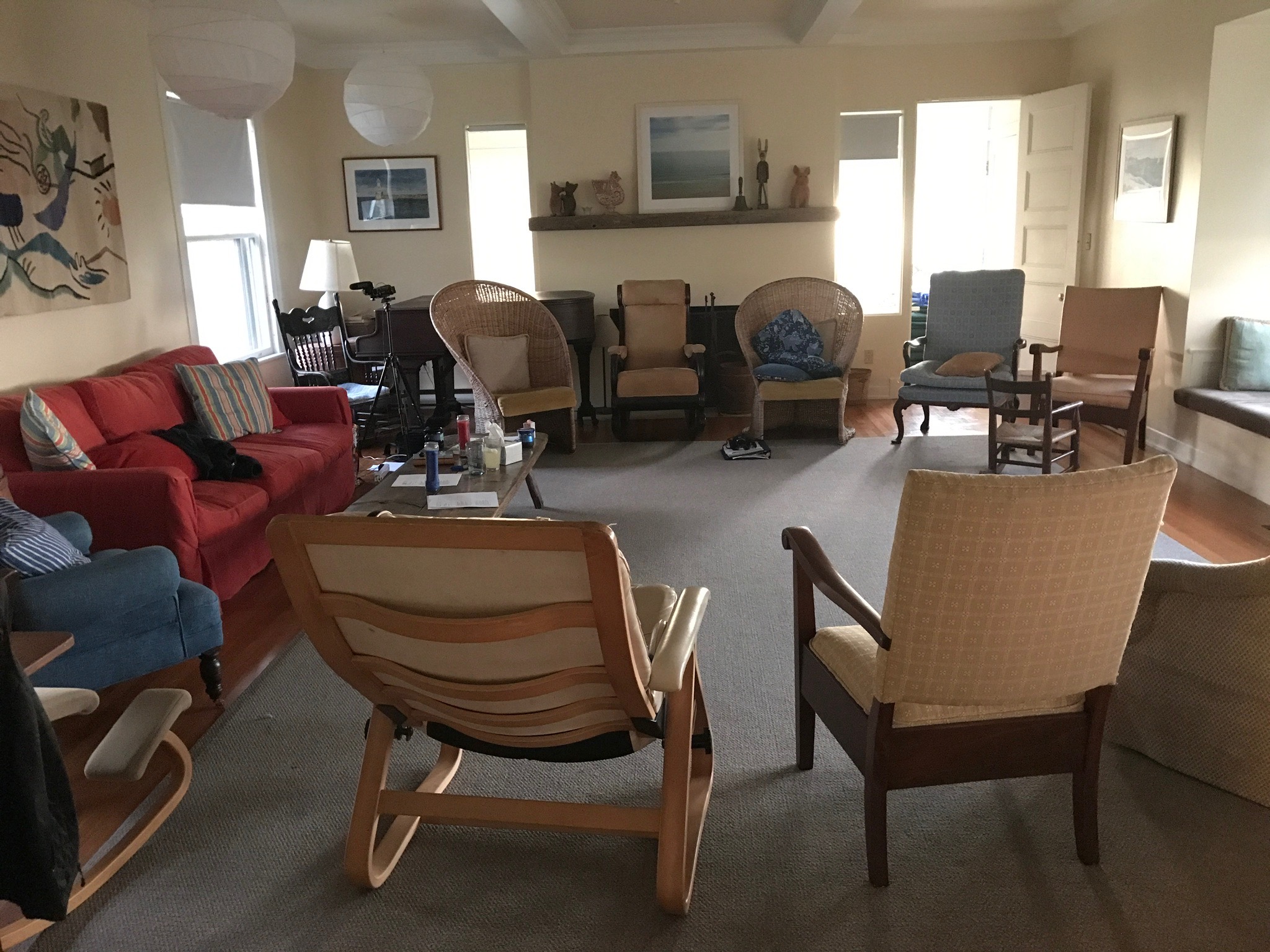
Description: “Intensive” is an academic year-long couple and family therapy certificate program providing a replicable transtheoretical family therapy model using evidence-based and other foundational practices. Participants learn to hold effective meetings that support work with families, couples, individuals, and all working groups. We teach ideas and tools from enduring and newer theories, integrating concepts from related fields including trauma, child welfare, interpersonal partner violence, neurobiology, and mindfulness. Students learn through an intentional blend of didactic, discussion, demonstration, and practice. We teach an artful balance of therapeutic leadership which honors clients’ preferred ways of living. Participants greatly enhance the foundation of their work, graduating with an evolving systemic practice that fits their clinical style and populations served. The course is scheduled for a full day approximately once a month to allow for intensive learning while attending to work/life balance. The two day in person retreat in the woods near the ocean is a highlight of the course.
Practitioners served: Our Intensive Couple and Family Therapy Certificate Program serves helping professionals who provide direct service, supervision, teaching, and program management in a wide range of settings. We serve the needs of beginning and intermediate practitioners as well as prepare advanced practitioners to deepen their knowledge.
Statement of need: This course focuses on teaching practices that enhance just relationships. Practitioners without adequate training in family systems therapies can inadvertently perpetuate relational problems, further marginalizing vulnerable and intentionally underserved populations. When relational problems are healed at the source, current and future generations’ health and well being are positively impacted.
Couple and Family Therapy Certificate Intensive Program – 2024-2025 dates
Eleven Fridays live on Zoom: September 6, September 27, November 8, December 13, January 3, January 31, February 14, March 14, April 11, May 9, May 30
Hours: 8:30am-5pm Eastern (there will be ample breaks from the screen during the day)
Live In Person Retreat*: Monday October 14 at 5 pm through Wednesday October 16, 2024 at 4 pm in Essex MA
*We strongly encourage all participants to attend the live retreat. The live learning and connection is the most wonderful part of the course. There may be an alternative option for those for whom that is impossible.
- Our 2024.2025 class is full. Contact us if you’d like to be added to the wait list for this year and/or the interest list for the 2025.2026 cohort.
How to Apply for the Course:
Group informational sessions are required to provide an orientation to the course, ensuring the certificate program is a good fit for you. Admissions are rolling and space is limited.
You will be asked to submit your resume or CV upon registering for an informational interview. Applicants are accepted into the program after attending these course orientation meetings which include a short 1:1 talk with Liz Brenner, Course Director.
Our Couple & Family Therapy Certificate Intensive Program includes:
- Teaching theoretical lenses and interventions to facilitate change from a range of family systems perspectives
- Shifting from an individual focus to a facilitative, multi partial stance to enhance relationships of all kinds
- Identifying, modeling, and practicing a myriad of questions from systemic therapies as powerful interventions
- Working with skill, humility, and respect across intersecting identities, historical trauma, physical, and mental health challenges
- Focusing on improved safety and well-being for everyone involved
- Teaching evidence-based practices that are client and outcomes driven with opportunities to critique the relevance and applications of each model
- Emphasizing the use of client feedback to guide the work
- Demonstrating a strength based, collaborative therapeutic stance
- Teaching modes of inquiry and witnessing that enhance capacity for client self-reflection, responsibility taking, and mentalizing
- Increasing practitioner skill, capacity, and creativity as it applies to challenging situations
- Focusing on working with a diverse range of families, couples, and presenting problems
- Addressing the effects of social constructions of race, ethnicity, class, gender, sexual orientation, ability and other differences that impact individual, couple, and family wellness and functioning
- Attending to the individual learning needs of practitioners with a range of experience
- Creating a connected community of supportive learners to facilitate integration of new material
- Sharing tools to help participants implement and teach these skills


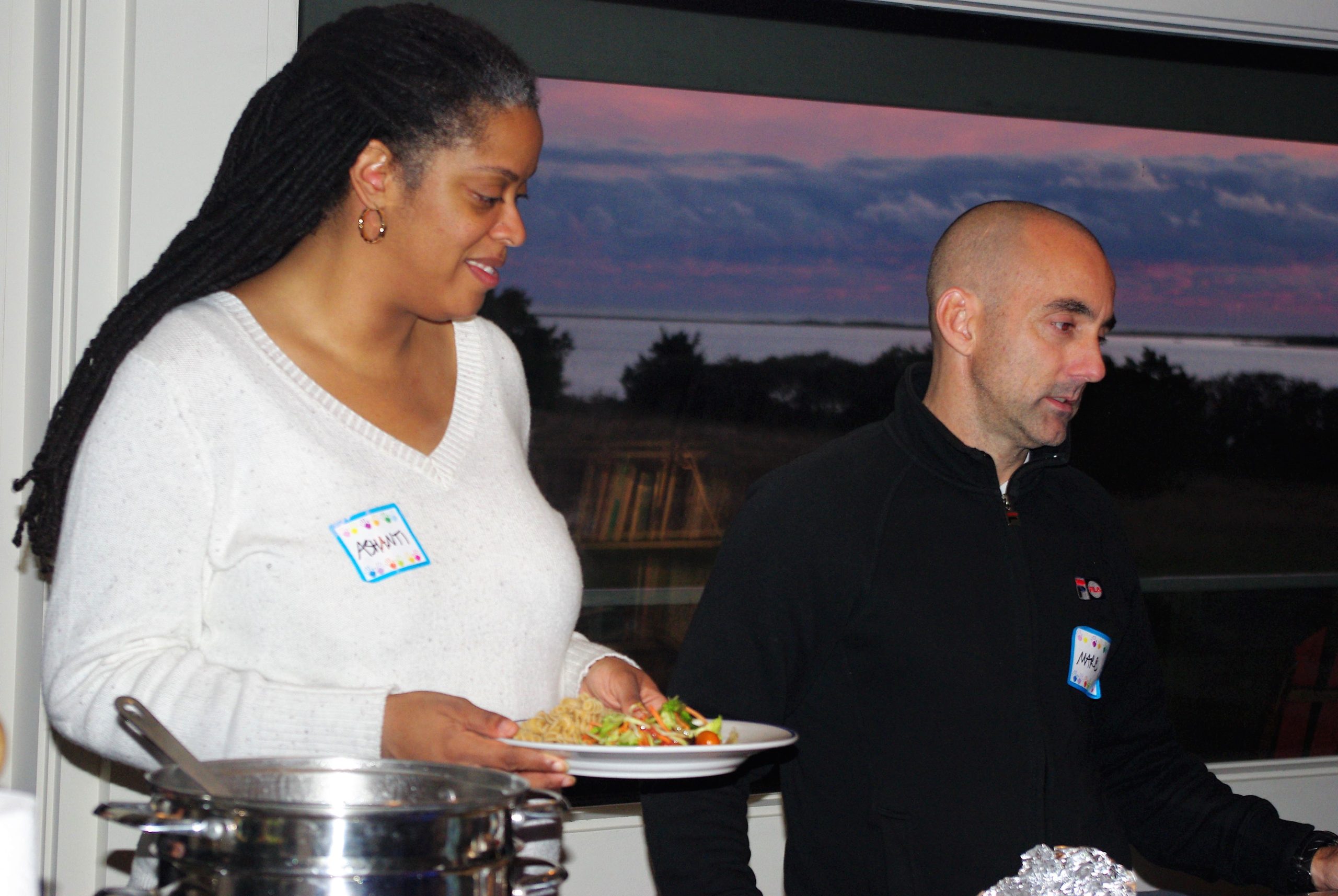


“The Intensive Certificate Program in Couple and Family Therapy was the one (Western) professional learning space where I felt safe enough to truly engage with the course content. As an individual belonging to various intersectional communities, I have never not been traumatized by professional therapy trainings. In my lived experience, many trainings focused on traditional therapeutic models have felt alienating, rigid, and disconnected from the socio-cultural realities of the world…”
-Apexa Patel, LICSW, Private Practice
- Class 1: Understanding General Systems Theory: Observing a System, Listening to Multiple Perspectives, Systemic Formulation of Problems
- Class 2: Useful Concepts and Interventions from Structural Family Therapy
- Class 3 Retreat: Six Phase Model for Holding Successful Meetings
- Class 4: Seeing Problematic Patterns Not Problematic People: Useful Strategic Concepts
- Class 5: Assessing Relational and Intergenerational Patterns
- Class 6: From Causes to Constraints: Assessment & Intervention In Socio-Political-Cultural Contexts
- Class 7: Solution Focused Work and Broadening the Lens
- Class 8: Introduction to Narrative Work: Seeing People as Being in a Relationship with Problems
- Class 9: Inviting Responsibility for Change: Working with Challenging Behavior in Narrative Ways
- Class 10: Integrating Models – a Transtheoretical Approach to Enhancing Family Connection and Acceptance of Transgender and Non-Binary Youth
- Class 11: Working with Challenging Behavior, Part 2 – Mindfulness and Managing Conflict
- Class 12: Reviewing the Year: Sustaining Change and Saying Goodbye in Couple and Family Work
- 8:30-9am Participants discuss their reflections/questions about class readings and/or any new skills that they tried
- 9:30-11am Didactic presentation and discussion of new material
- 11-11:15am Break
- 11:15am-12:30pm Practical applications of new material through role play demonstrations and discussion
- 12:45-1:45pm Lunch
- 1:45-3:15pm Small group practice of micro skills through role play case examples with close coaching
- 3:15-3:30pm Break
- 3:30-5pm Applications of new learning to clinical examples from a range of presenting problems and family types
Note: detailed learning objectives for each day of the course are provided to participants and for continuing education approval processes.
- Identify the purpose, practice and two questions associated with each phase of the 6-phase model.
- Explain how the use of the concept of interpersonal patterns is foundational to working well across different ethnicities and with other marginalized identities.
- Describe the cycle of family development and explain how it applies to reframing problems.
- Describe the problem focused genogram.
- Explain the model of change from the perspective of each of the following models: general systems theory, structural family therapy, brief strategic therapy, Bowen family therapy, solution focused and narrative therapy.
- Identify two strategies for assessment used in each of the following models: general systems theory, structural family therapy, brief strategic therapy, Bowen family therapy, solution focused and narrative therapy.
- Identify two interventions that apply to the use of each model: general systems theory, structural family therapy, brief strategic therapy, Bowen family therapy, solution focused and narrative therapy.
- Describe one practice for developing treatment goals and plans to address safety issues from the lenses of: general systems theory, structural family therapy, brief strategic therapy, Bowen family therapy, solution focused and narrative therapy.
- List two questions to ask clients that are used in the practice of each of these models: general systems theory, structural family therapy, brief strategic therapy, Bowen family therapy, solution focused and narrative therapy.
- Describe the collaborative helping map and explain how it informs effective work with a wide range of presenting problems, ethnicities and people with other marginalized identities.
- Describe the Racial/Cultural Identity Development Model and the White Racial Identity Development Model.
- Apply concepts from mindfulness and interpersonal neurobiology to the best practice of family systems therapies.
- Describe three practices used to invite clients to take responsibility for abusive and other problematic behavior in the context of couple and family work.
- List one strategy for working with high conflict situations from each of the following models: general systems theory, structural family therapy, brief strategic therapy, Bowen family therapy, solution focused and narrative therapy.
- Compare theoretical models learned in the course.
- Critique each model by describing potential limitations of their use: general systems theory, structural family therapy, brief strategic therapy, Bowen family therapy, solution focused and narrative therapy.
Course Faculty
 (She/Her) is the course director and primary instructor of the Intensive Program, TTB’s Couple and Family Therapy Certificate Program. Her work in child psychiatric inpatient, home based, residential, and outpatient settings inform her passion for working competently and compassionately with couples and families. She is the co-director of the CHA/Harvard Couples Conference and a teaching associate for Harvard Medical School providing training to staff at Cambridge Health Alliance in the Couple and Family Therapy Program. The foundation of her work rests on the training she received as a student in the Intensive Program at the Family Institute of Cambridge in 1991. She was on the faculty of the Family Institute of Cambridge from 2003 until 2009 when FIC closed and she developed TTB.
In 2017, Liz was the recipient of the award for the Greatest Contribution to Social Work Practice from the Massachusetts Chapter of the National Association of Social Workers. She has written two book chapters on doing intensive home-based family therapy. She published a short article in the New England Journal For Relational and Systemic Therapy called Couple Therapy in the Absence of Presence: Translating Presence to the Screen. Her most recent publication in the Family Process Journal is Development of the internal family systems model: Honoring contributions from family systems therapies with Richard Schwartz, PhD, and Carol Becker, PhD.
Liz’s clinical work and teaching integrates socioculturally attuned family systems, mindfulness, trauma and recovery orientations. Her work and life is informed by the experience of growing up with a father affected by Bipolar Disorder.
Liz is Level 2 EMDR, Level 2 LifeForce Yoga and Level 3 trained Certified Internal Family Systems therapist in addition to being trained in Intimacy from the Inside Out and AEDP for Couples. In her office in Watertown, Liz sees adolescents and adults in individual, couple and family therapy. Liz also provides individual and group supervision, agency consultation and training. She has provided training for DCF and DMH staff in a variety of settings.
 (Pronouns: she/her/hers) is a Haitian American Youth and Trauma Specialist who earned her master’s degree in Marriage and Family Therapy from Capella University in 2010. Tamarra has worked as an In-Home Therapist with children and their families throughout the southeast region in Massachusetts since 2011. In therapeutic practice, Tamarra uses a strength based and client centered approach integrating her background in family systems and trauma informed practices. Tamarra provides therapeutic services to couples and families in French and Haitian Creole. She is the owner and Interim Clinic Director at the TJocelyne Counseling and Consulting Clinic in Brockton. In her role at TJJocelyne, Tamarra teaches staff and interns family systems therapies. Prior to joining the faculty of the Intensive Program, Tamarra completed the course in the 2020.2021 academic year. In addition to being a Mom, she is a Certified Child and Adolescent Trauma Professional, Certified Dialectical Behavior Therapist, ADHD-Certified Clinical Service Provider.
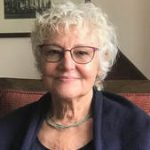
Faculty Emerita(She/Her) is a clinical psychologist, family and couple therapist, supervisor, teacher/trainer and consultant. She was a board member of the American Family Therapy Academy 2001-2009, Program Chair for the 2010 AFTA Meeting, and served as Secretary from 2011-2013. She was on the faculty of the Family Institute of Cambridge for 25 years during which time she taught the Intensive Program for ten years as well as other courses and workshops. She taught for Therapy Training Boston including the Masters Series in Couple Therapy until 2024. Corky will contribute to the Intensive Program at the annual retreat. Corky taught family work in the Department of Psychiatry at Harvard Medical School at Cambridge Health Alliance. She was a Senior Associate of Essential Partners (formerly known as the Public Conversations Project).
 (She/Her) is in private practice at The Meeting Point in Jamaica Plain, Massachusetts. She has been working with transgender & non-binary youth, young adults and their families for the past 10 years in a variety of clinical and community settings. Melissa co-directs a socially conscious business called SAYFTEE: Supporting Alternative Youth and Families through Empowerment and Education. SAYFTEE is committed to offering workshops, groups and services to meet the needs of gender expansive and LGBTQI youth and families in Massachusetts. Melissa was a student in the Intensive Program two times before becoming a faculty member in 2018. She has taught family therapy approaches for clincians working with families challenged with their children’s gender identities for the Maebright Group, Therapy Training Boston and SAYFTEE. Melissa is a consultant for Greater Boston PFLAG. Nine years ago she helped start a support group for parents of transgender children. She serves on the Board of Directors and as Assistant Director for Camp Aranu’tiq of Harbor Camps.
 Faculty Emerita(She/Her) is a clinical psychologist and family therapist. She practiced and taught at the Family Institute of Cambridge for over 40 years as a Director and a Senior Faculty Member. She co-directed the Intensive Family Therapy Program at the Institute with Charles Verge and developed the long running course, New Method’s in Women’s Group Process. Caroline was a faculty member at the Massachusetts School of Professional Psychology where she originated and taught the Advanced Family Therapy Course. Caroline graduated from the second year of the Intensive Program in 1976 and was invited to teach in the third year of the course. She brings an important historical perspective to the current training, is an important resource with regard to group process, teaching pedagogy as well as supporting younger faculty to be grounded in foundational family therapy ideas and practices. Caroline will continue to contribute to the Intensive Program retreat.
 (She/Her) is a clinical social worker and family therapist with 34 years of experience. In addition to post graduate family therapy training, Laura has Level 2 LifeForce Yoga and Level 3 Internal Family Systems Therapy training. Following graduation from The Family Institute of Cambridge’s Intensive Program in Family Systems Therapy in 1991, Laura worked with children and their families at South Shore Mental Health for many years. From 2004 to 2007, Laura co-faciliatated a course for DCF workers hosted by the Family Institute of Cambridge called Partnering with Families in Social Services. She taught Psychology at Curry College, including a course on working with families, and the New England Institute of Technology. Laura joined the faculty of the Intensive Program in 2018. Currently a Behavioral Health Clinical Lead at Reliant Medical Group, she provides integrated care and supervision in a primary care setting. She works with a wide range of issues with individuals, couples, and families. Her specialty is assisting children and adults recovering from trauma. Laura has a private practice. Her training as a Kripalu yoga teacher informs her integration of mindfulness practices in psychotherapy settings.
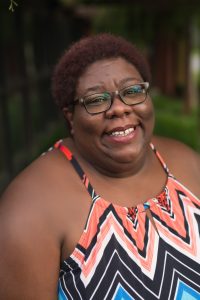 (she/her) is a private practice clinician in Western MA. Kim works with children, young adults, and adult women who have experienced trauma, anxiety, depression, and postpartum depression in individual and family therapy. Kim has worked with children, adolescents, adult women, and families for the past 14 years in a variety of settings including outpatient, preschools, residential programs for youth in DCF care & with adult women with substance use disorders. She has experience as an administrator overseeing residential programs for youth in DCF care. Kim is an adjunct professor at Smith College School for Social Work and Westfield State University in the MSW programs. She has taught graduate courses including family therapy and field work. Kim has supervised Social Work interns for 8 years. In addition, Kim was a student in the Therapy Training Boston’s Intensive Certificate Program in Family Systems Therapies in 2019-2020.
Student Reflections
Students summarize what they learned about holding family and couple meetings on our weekend retreat. In the second video students summarize what was critical to their growth and development at the end of the course.
Additional Information
This couple and family therapy certificate intensive program is designed for helping professionals interested in the principles and practices of family systems therapies, including, but not limited to, social workers, mental health counselors, and marriage & family therapists. We design the learning methodology to further develop beginning, intermediate, and advanced helping professionals by supporting improvement of skills for direct practice, supervision, teaching and management positions.
Tuition: $3600. This includes two nights and six meals at the October retreat as well as the 94 CEUs for eligible participants.
Participants MUST attend 100% of the program to earn the Certificate of Post Graduate Training in Couple and Family Therapy and the 94 CEUs for eligible professions. CEU certificates will be downloadable at the end of the course after you are fully paid and have completed the evaluation form.
- Therapy Training Boston is approved by NBCC as an Approved Continuing Education Provider, ACEP No. 6707 for Mental Health Counselors. Programs that do not qualify for NBCC credit are clearly identified. Therapy Training Boston is solely responsible for all aspects of the programs.

- We have applied for 94 Social Work Continuing Education hours for relicensure, in accordance with 258 CMR. NASW-MA Chapter CE Approving Program and are awaiting approval.
- We have applied for 94 CEUs from the New England Association for Family and Systemic Therapy (NEAFAST) on behalf of the Massachusetts Board of Registration of Allied Mental Health & Human Services Professions for 94 LMFT professional continuing education credits and are awaiting approval.
- If you are a licensed mental health professional not listed for CEU approval here, please consult the website of your Board of Registration to determine if your our approved CEUs will count toward your continuing education requirements.

No refunds are available for cancellations 30 days prior to the start of the course. If participants cancel more than 30 days prior to the event beginning, they may apply the fee to a future program. Events may be cancelled by Therapy Training Boston if minimum enrollment requirements are not met or in the case of other unexpected circumstances. If this occurs, a full refund will be provided.